Support us
The Power of Community in Tipping Times
.
.
to
.
.
Save to calendar
Button Text
The Power of Community in Tipping Times
Three days as fulfilled as they were fulfilling at “Tipping Time – Civil Society Climate Conference”: from 9 to 11 May 2024, Sonnenpark St. Pölten was a place of intense encounter between science, art and activism.
15:25
A look back at “Tipping Time – Civil Society Climate Conference”
9–11 May 2024, Sonnenpark St. Pölten
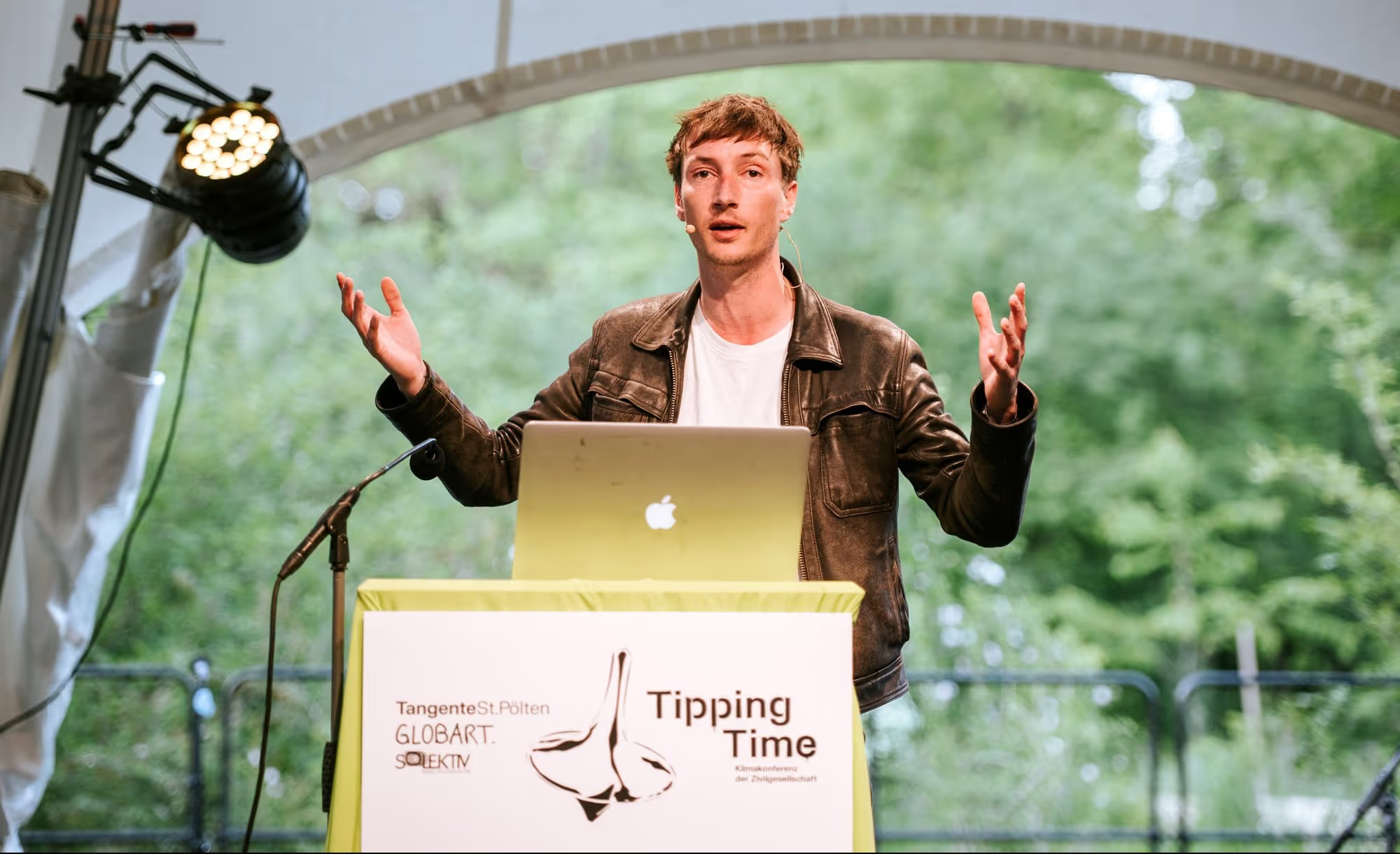
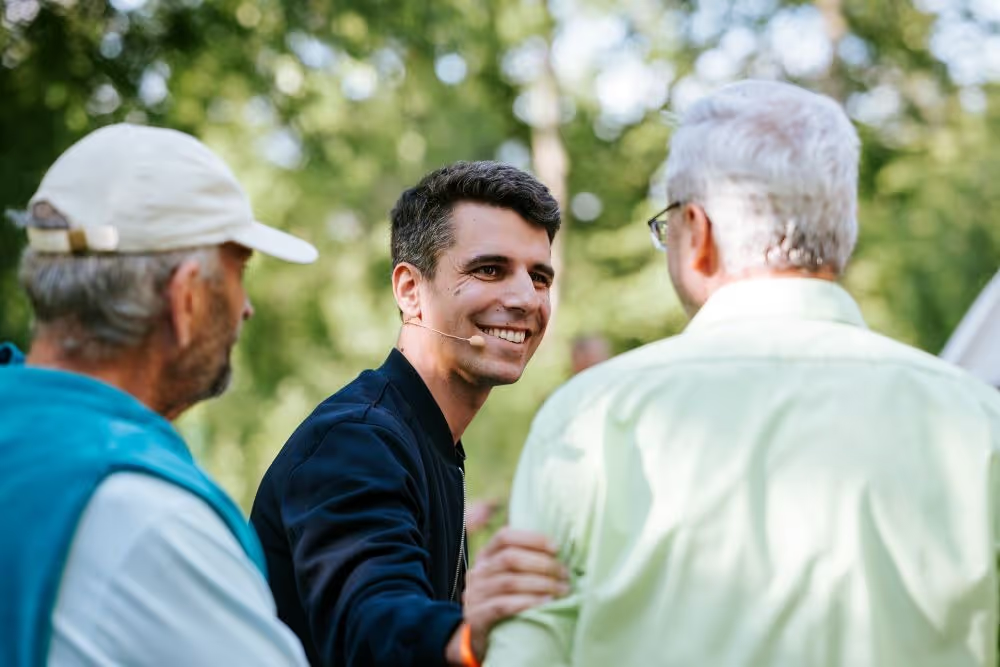
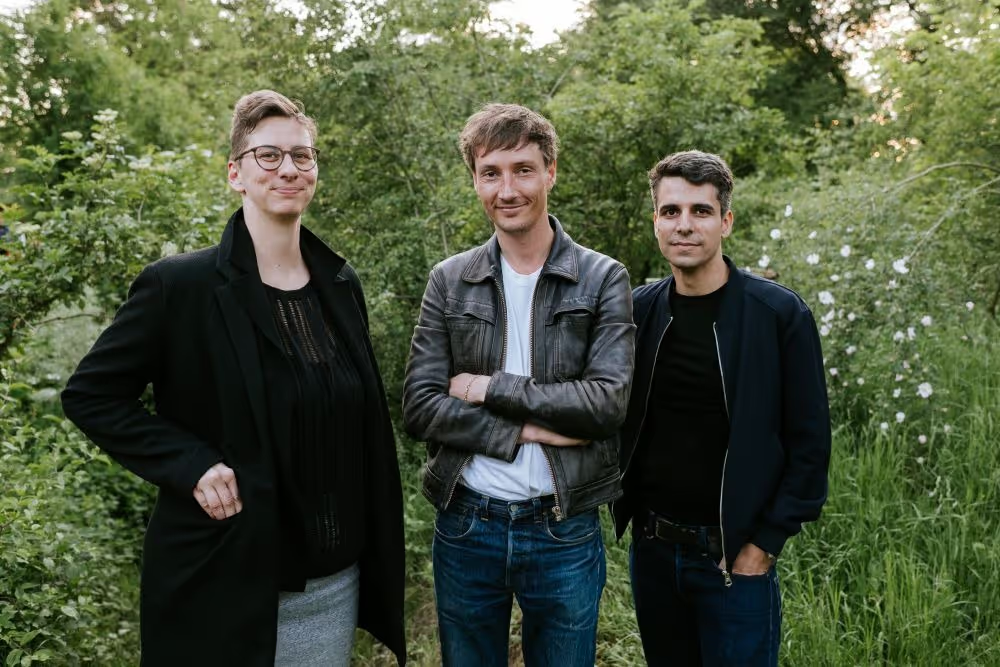
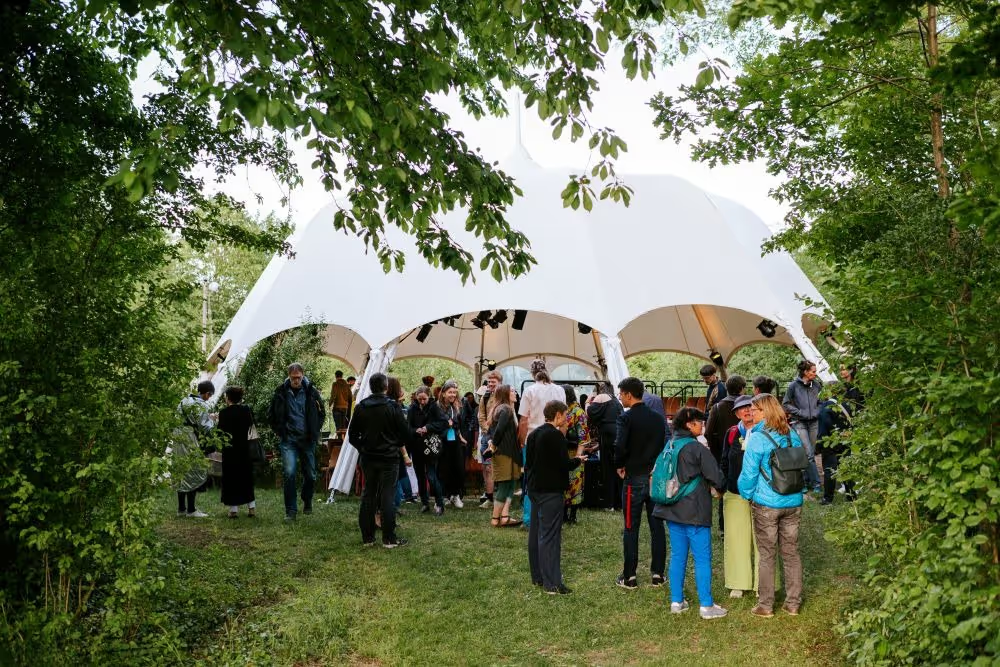
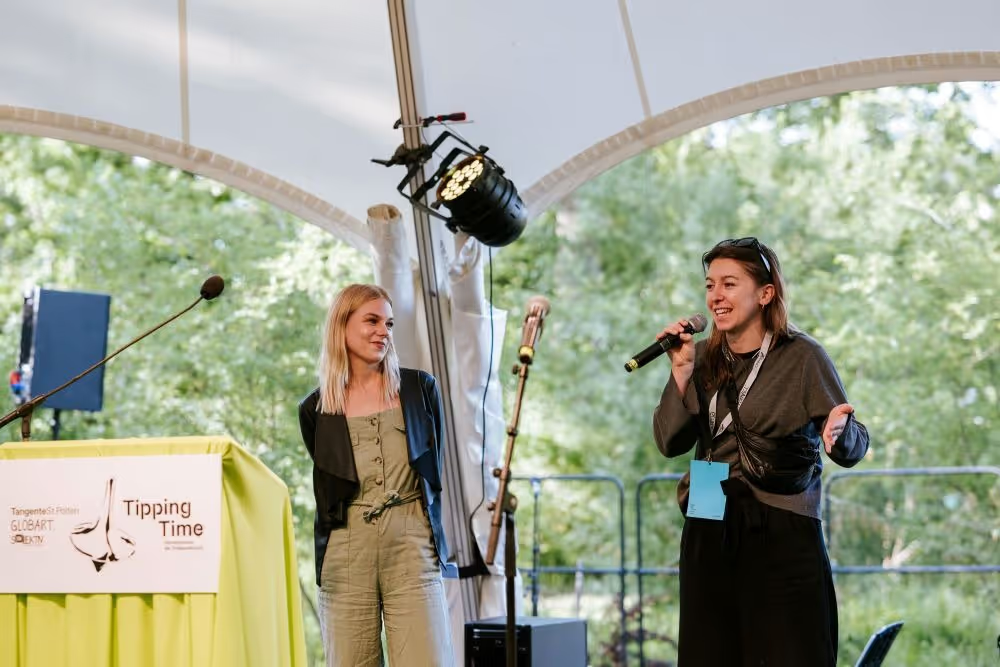
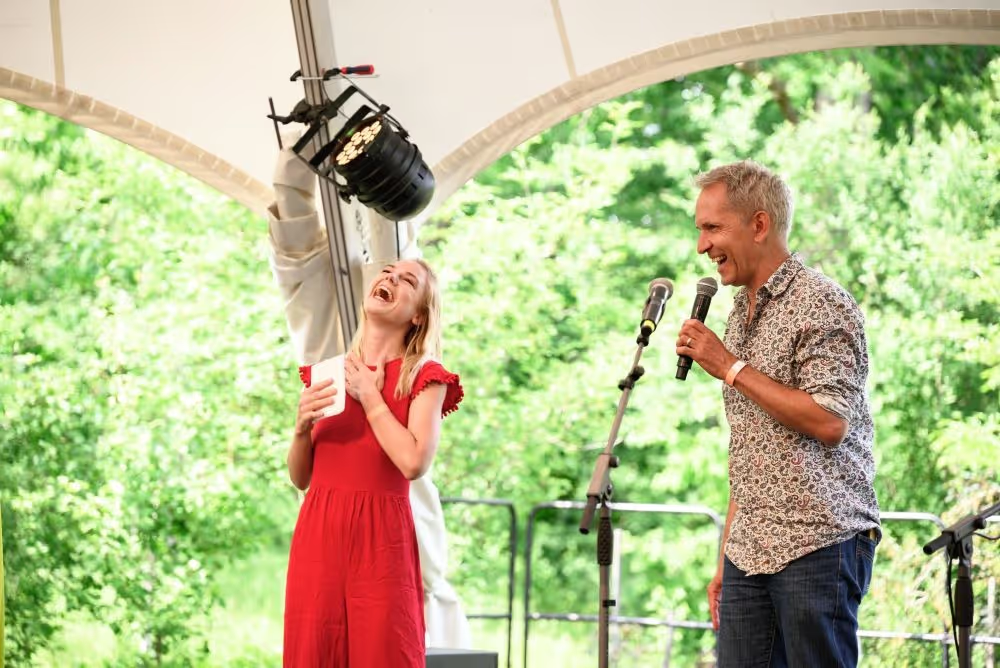
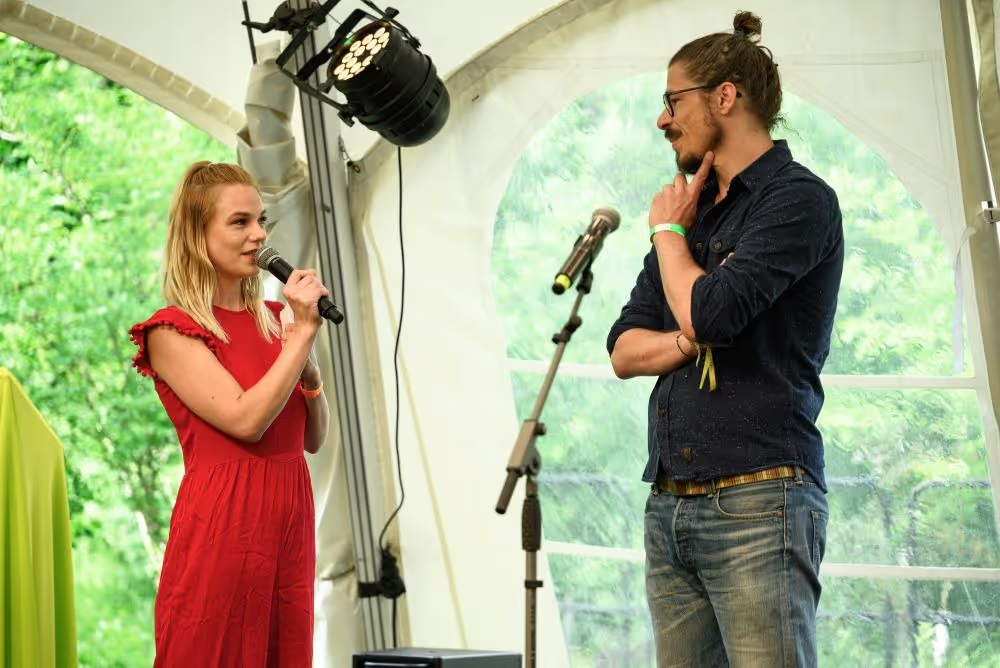
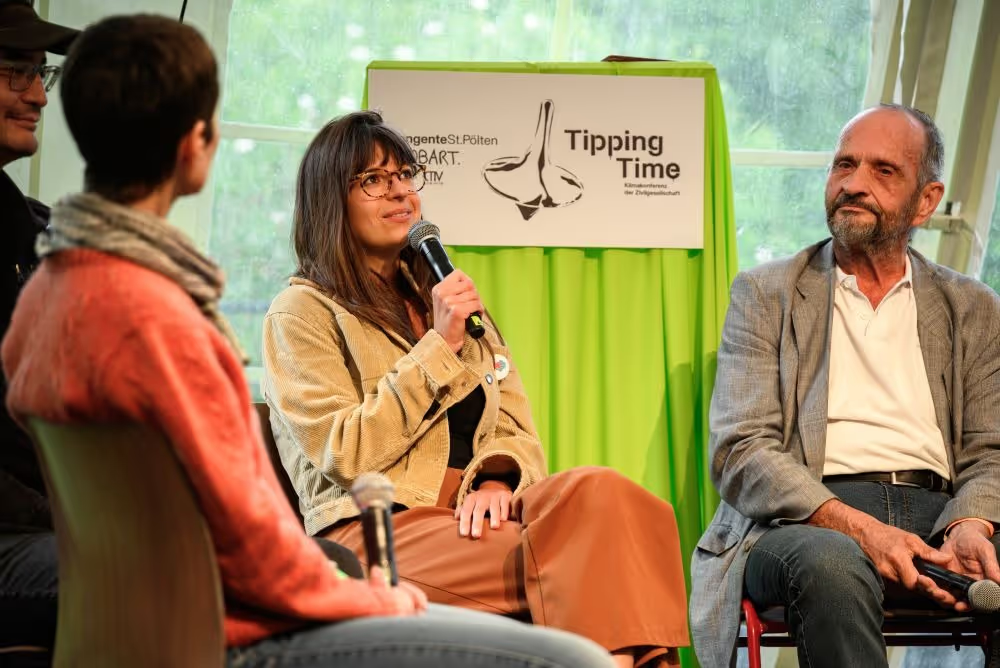
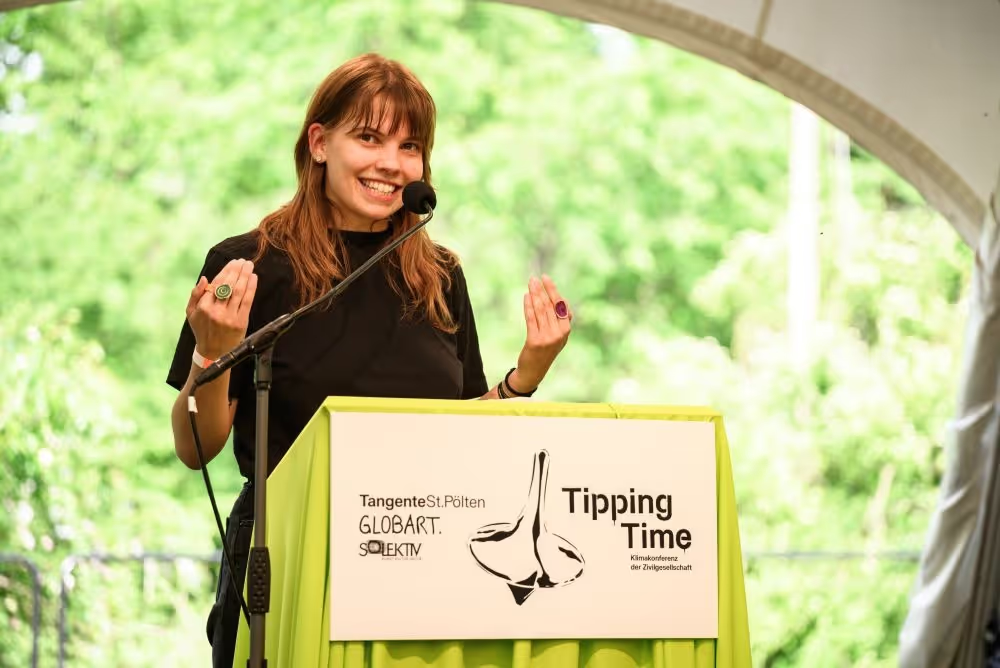
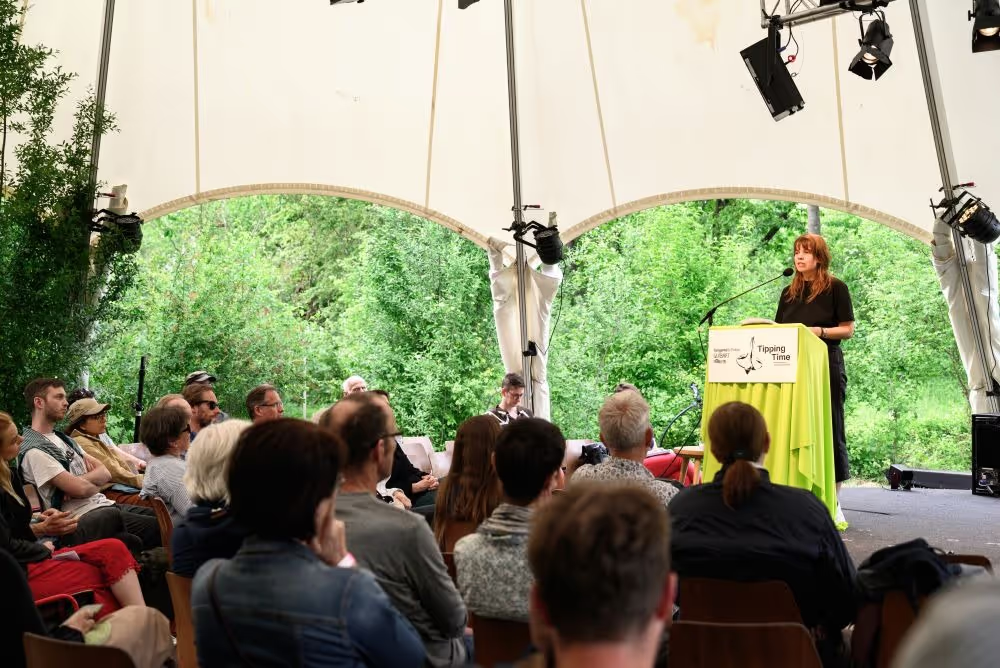
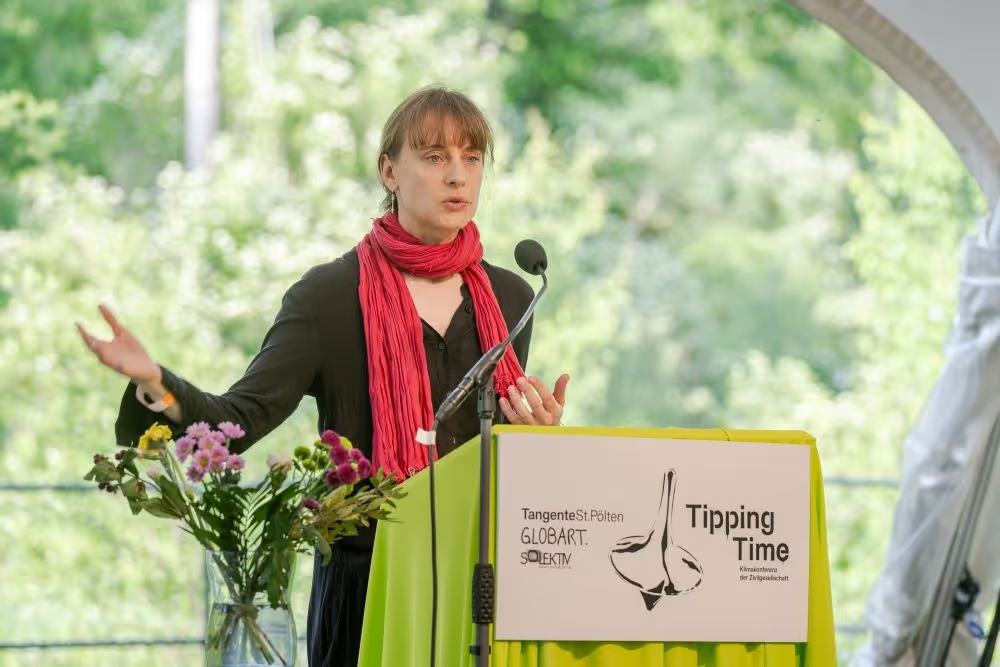
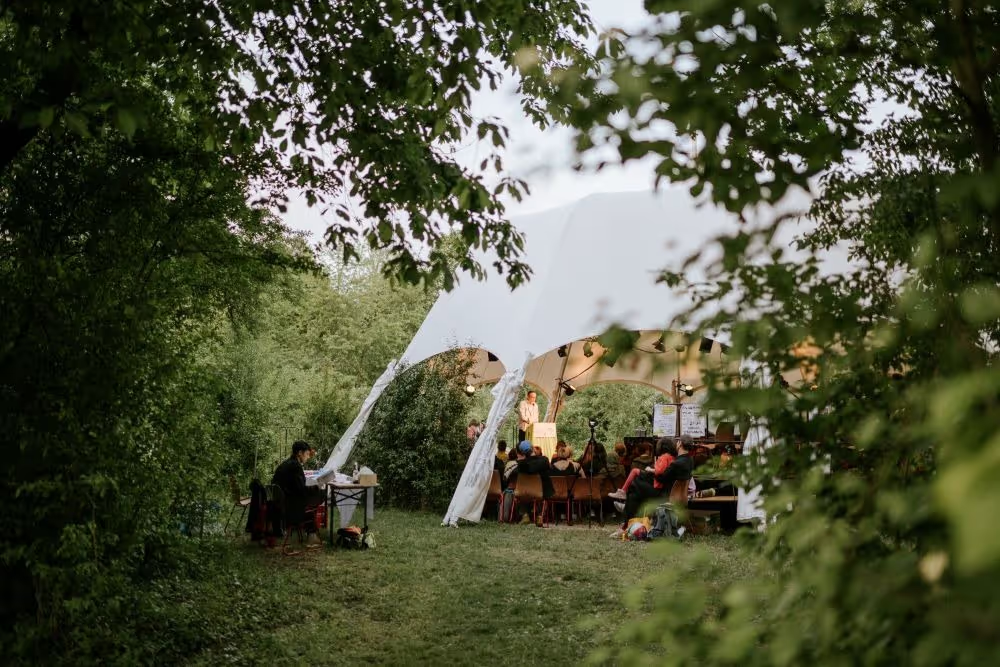
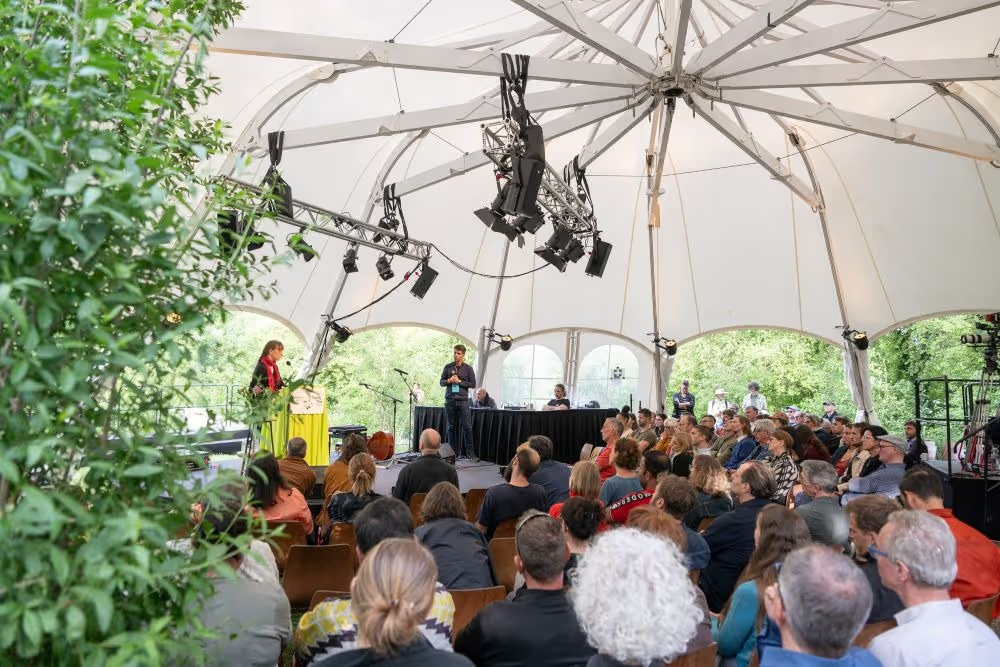
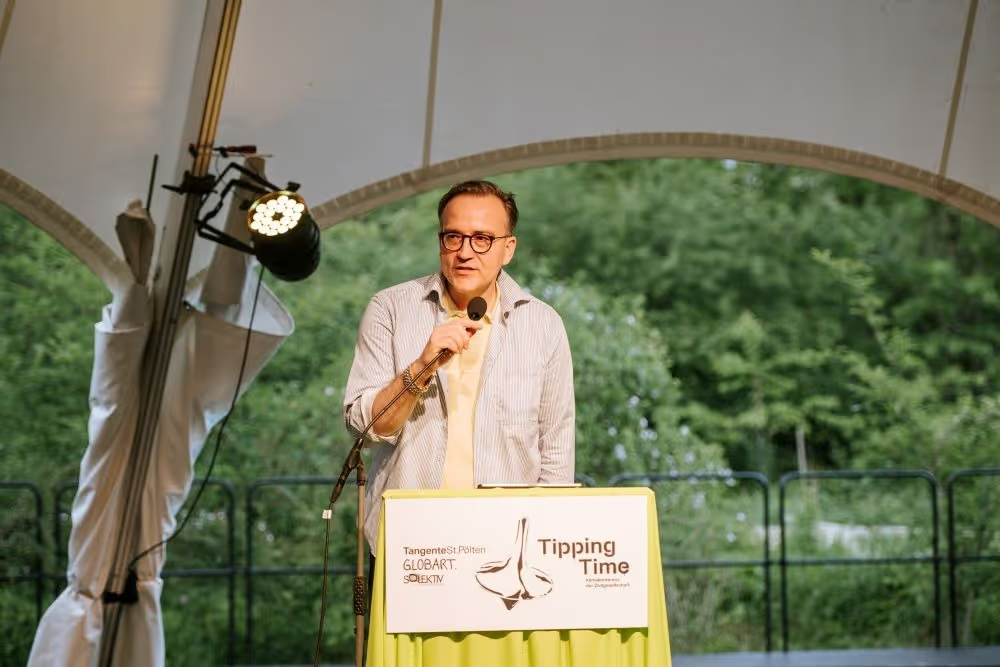
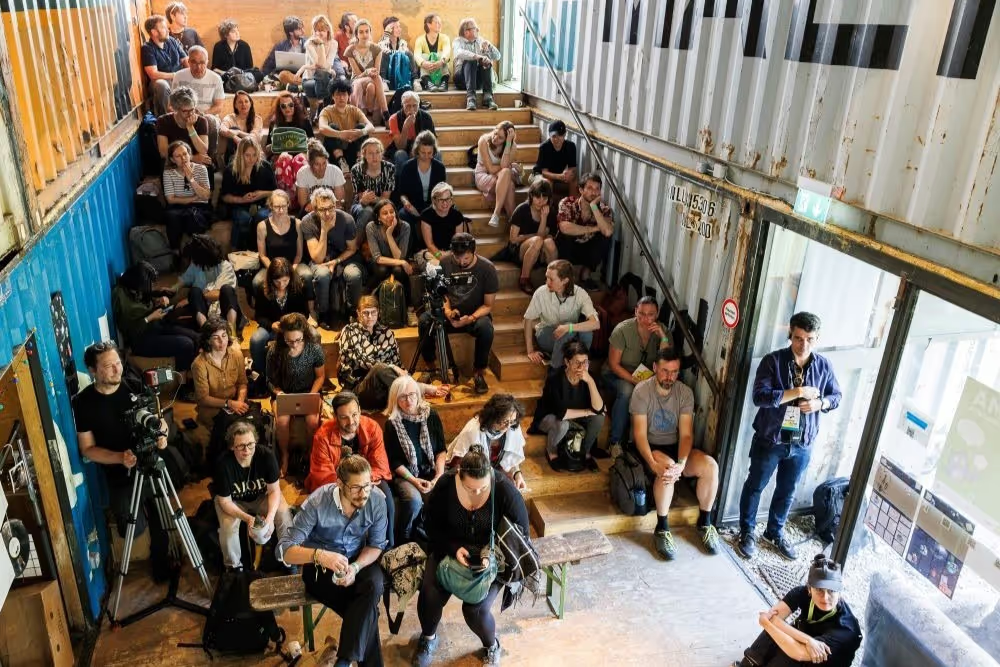
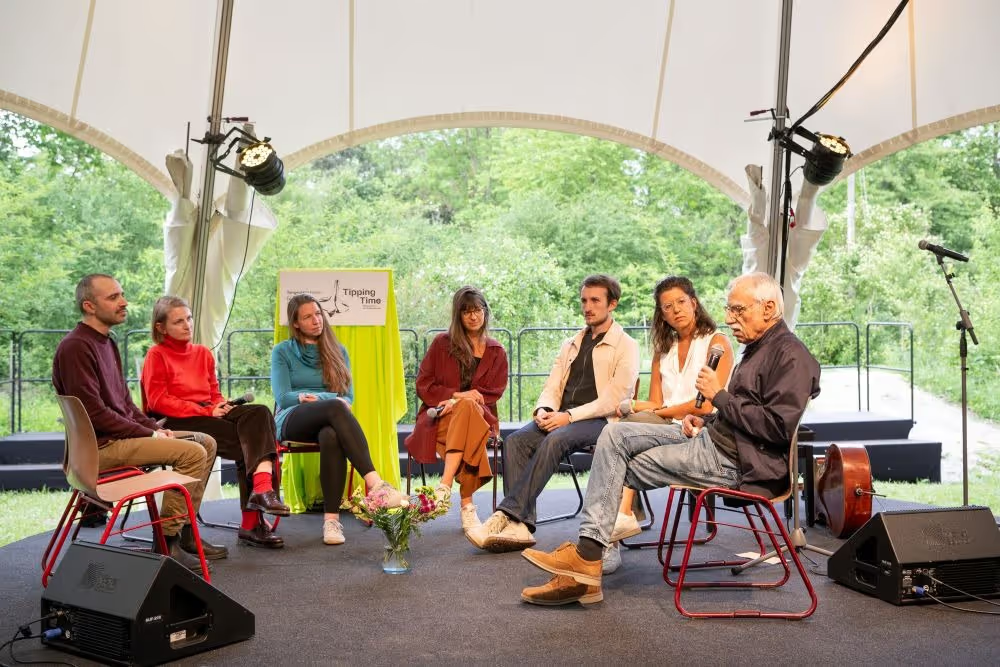
Three days as fulfilled as they were fulfilling at “Tipping Time – Civil Society Climate Conference”: from 9 to 11 May, the Globart team, together with the association Solektiv and Tangente St. Pölten – Festival for Contemporary Culture, transformed Sonnenpark St. Pölten into a space of possibility for exchange, sharing knowledge and allowing the feelings triggered by the climate crisis and its tipping points. A packed programme of talks by internationally renowned speakers, portraits of and workshops with civil society activists, and musical highlights thrilled the audience in a tent flooded with light and air. “We are moved by the question of how we can find a language for all the feelings, hopes and worries – for our changed relationship with the world in the face of the climate crisis,” said Globart Artistic Director Jakob Brossmann. “But we also want to explore how we can take action together and develop confidence.”
On shaky ground
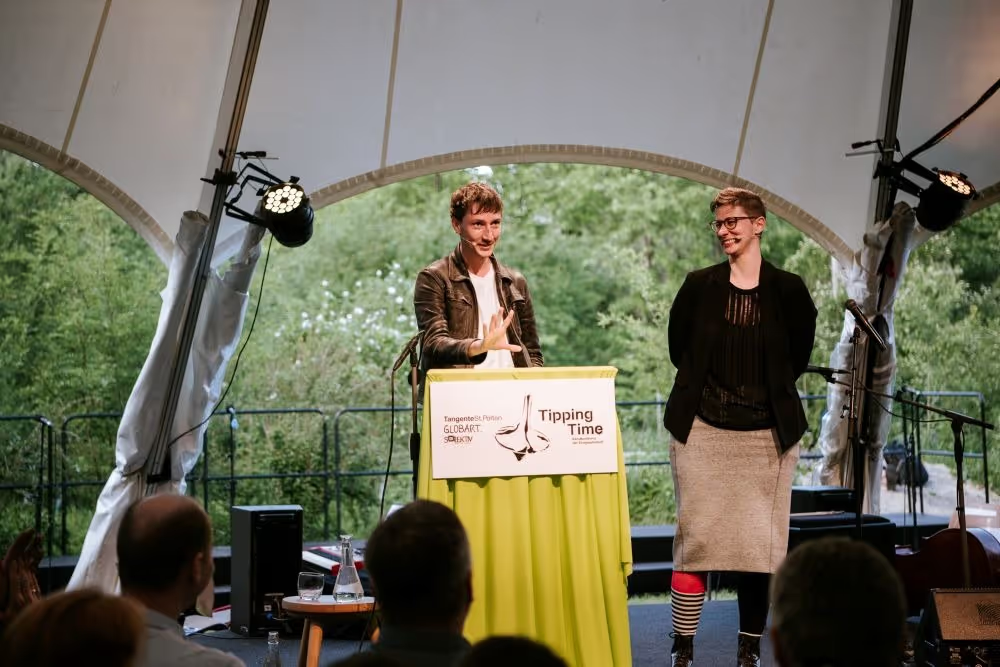
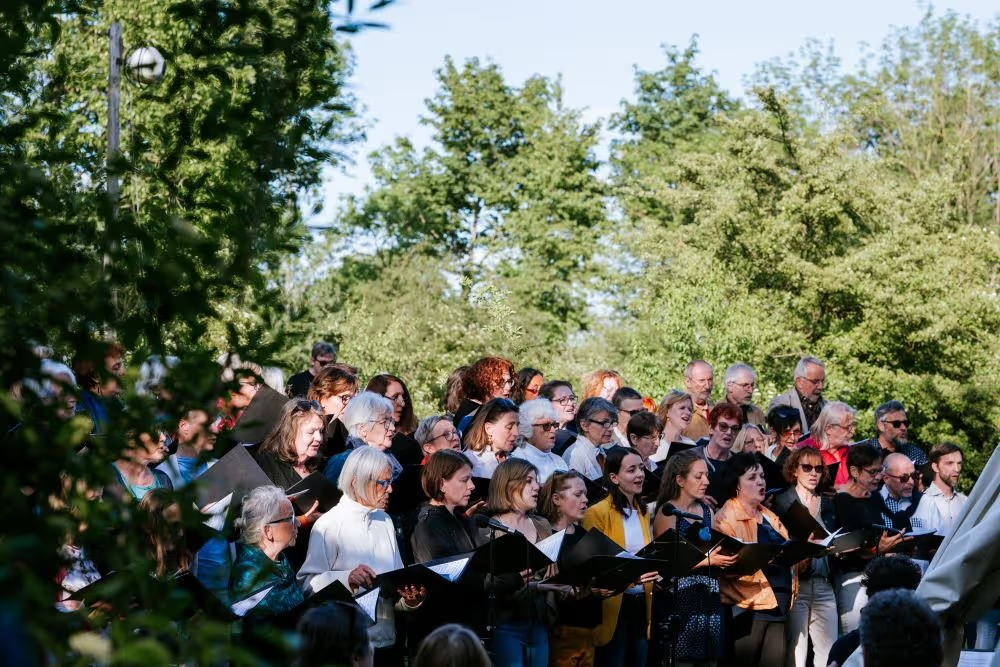
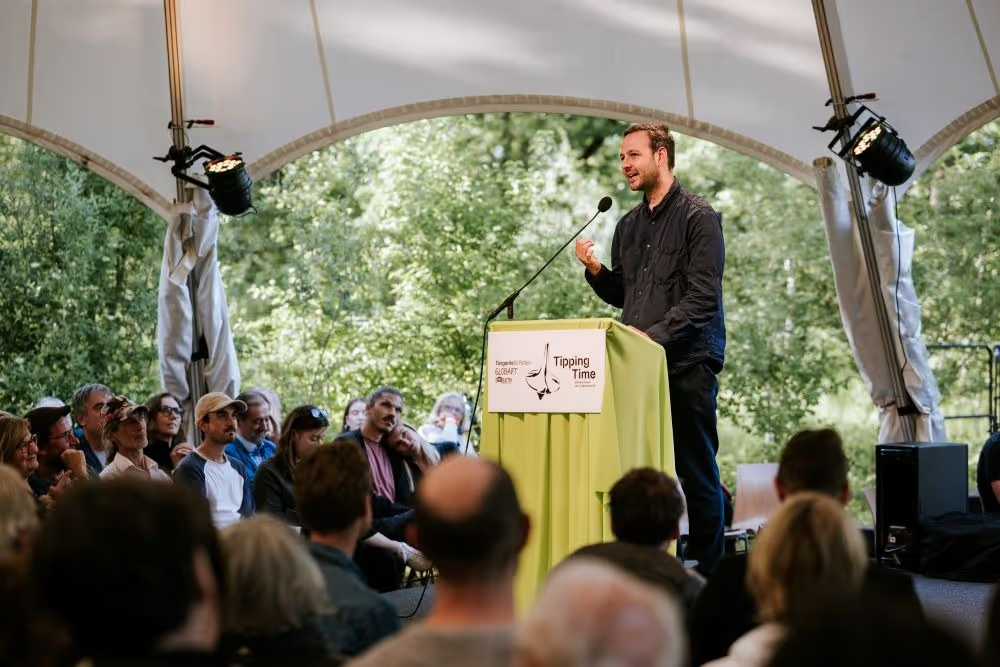
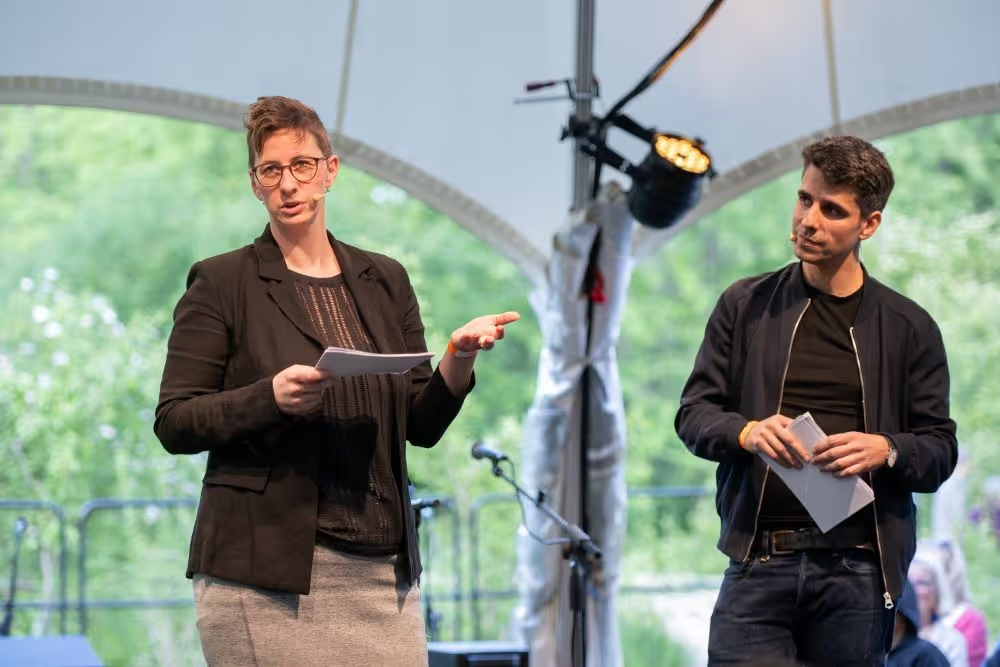
The 70-strong civil society choir Wöd Chor Plus performed Peter Gabriel's “Here Comes the Flood” and Joni Mitchell's “Big Yellow Taxi” in versions arranged especially for the evening, before Jakob Brossmann and Stefanie Jaksch (Head of Programme, Globart) welcomed the young Danish sociologist Nikolaj Schultz onto the “nature stage” in the overcrowded tent. He had recently caused a stir with the manifesto written with Bruno Latour, “On the Emergence of an Ecological Class”, and with “Land Sickness” had published an impressive essay on the state of mind we all share. Fitting the “tipping time” in the conference's name, Schultz evoked the existential vertigo and unsteadiness that seize us when we realise that we humans are constantly working towards our own extinction – and that our actions, however small, can have great effects. (Recommended reports on the opening appeared in Die Presse, among others.)
Like a warm blanket
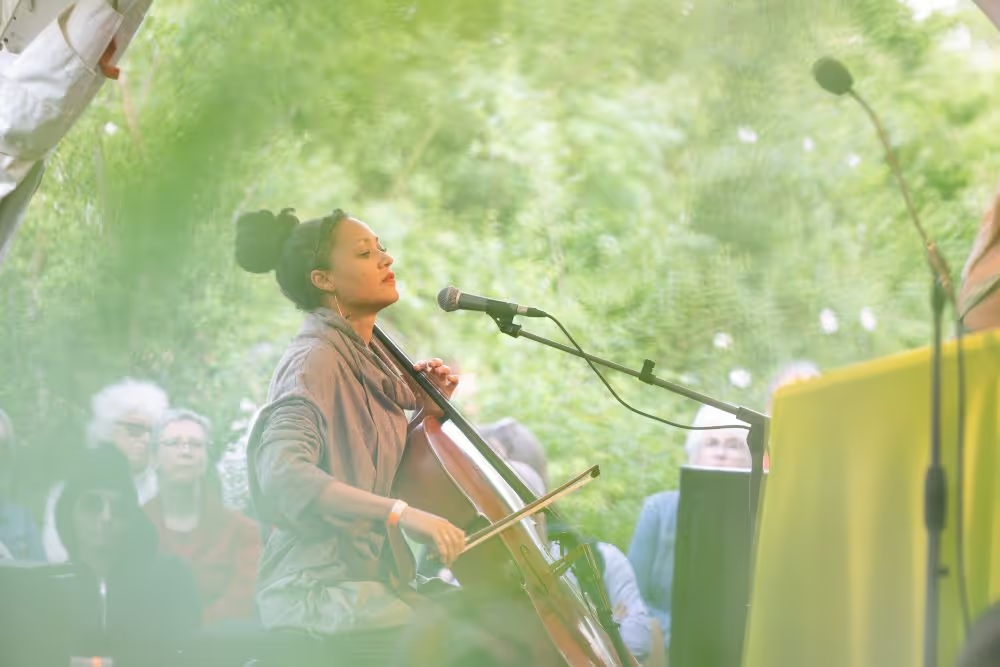
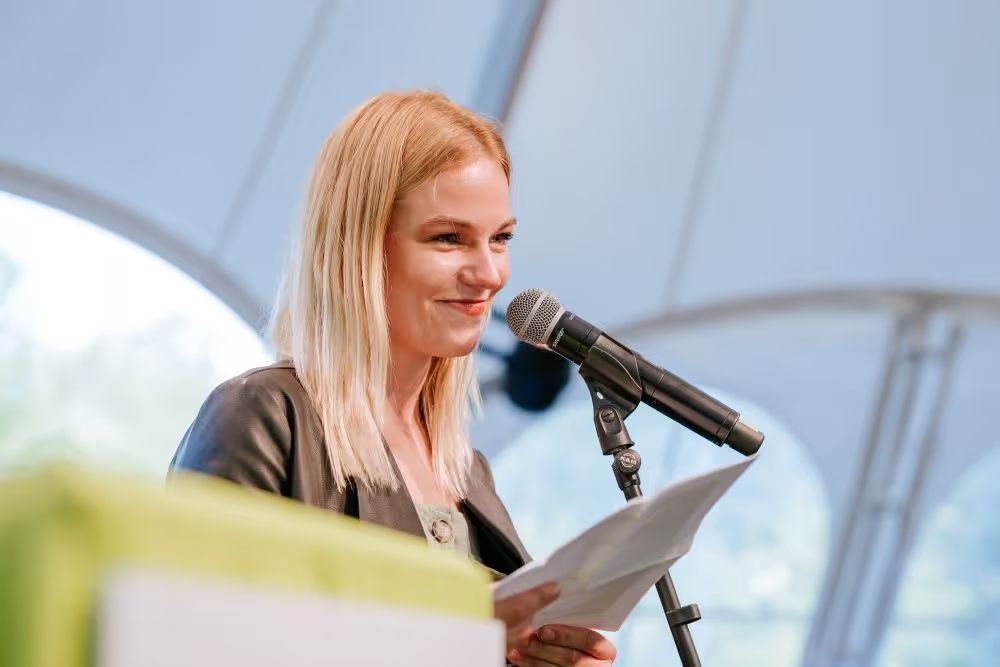
His acclaimed talk was embedded in the sensitive, virtuoso musical moderation of cellist and singer-songwriter Marie Spaemann, who always responded to what was happening on stage. She created a setting in which a very special sense of togetherness could unfold quite naturally. Slam poet Katharina Wenty added a special emotional facet: for “Tipping Time” she portrayed six Protagonists of Change in rhymed, flowing texts that brought these people and their achievements onto the big stage and set a literary monument to them. More than once over the three days on the nature stage, tears of emotion and connection were shed.
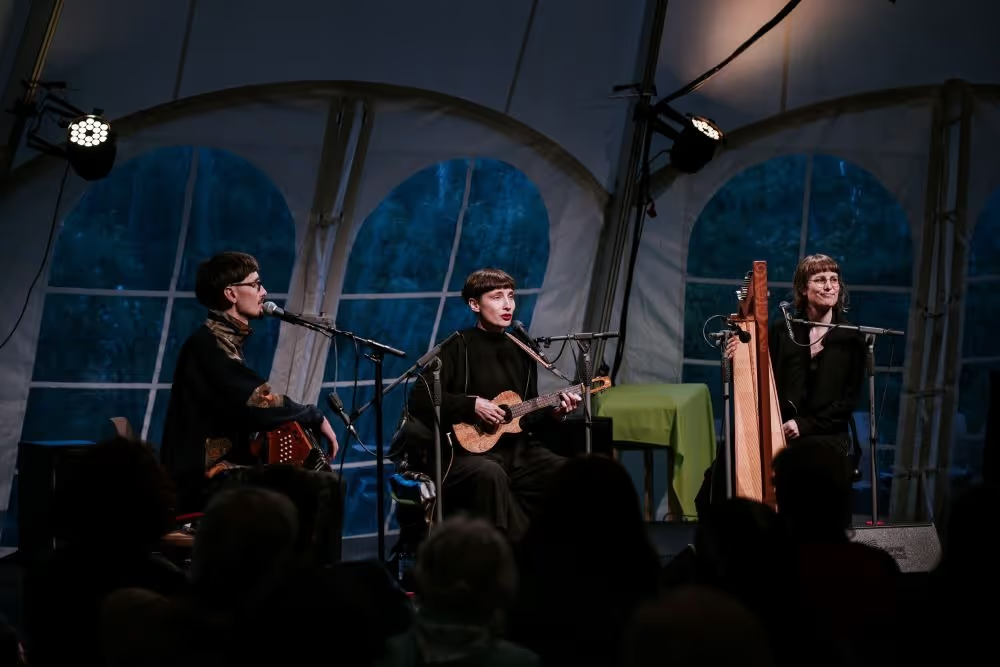
In the evening of the opening day, the Sigrid Horn Trio thrilled the audience with their socially critical, modern Viennese songs and received standing ovations.



No items found.
Programme
No items found.
Finding hope and understanding responsibility
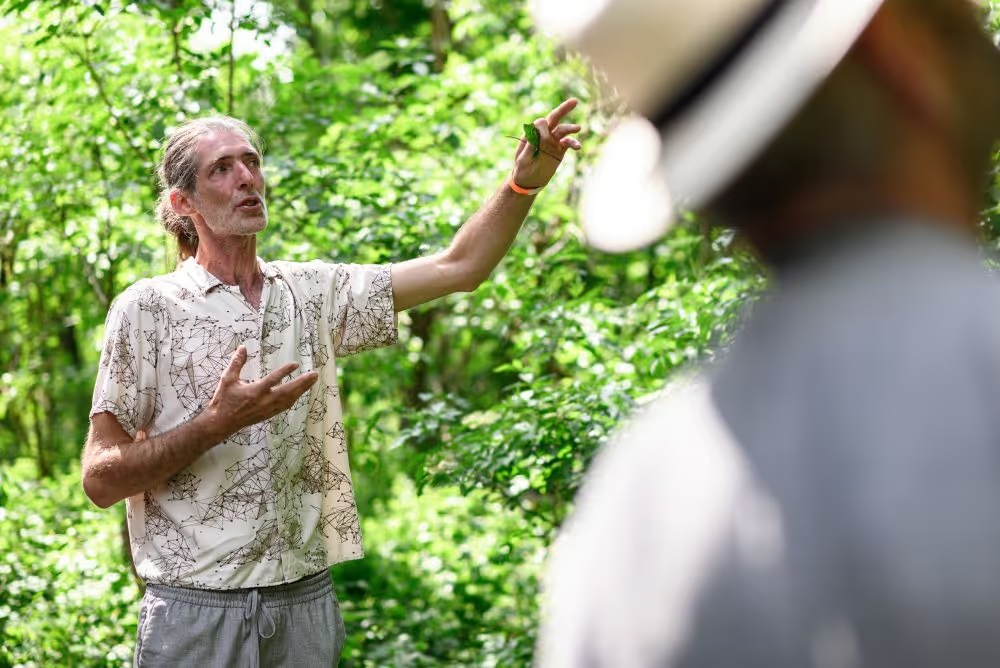
Friday began with a good dose of courage: in her workshop, activist Johanna Frühwald of Fridays For Future shared knowledge about organising strikes and effective communication; at the same time, Markus Weidmann-Krieger, who has accompanied Sonnenpark since its beginnings, shared his knowledge of the park's flora and fauna and revealed its secrets on a walk.
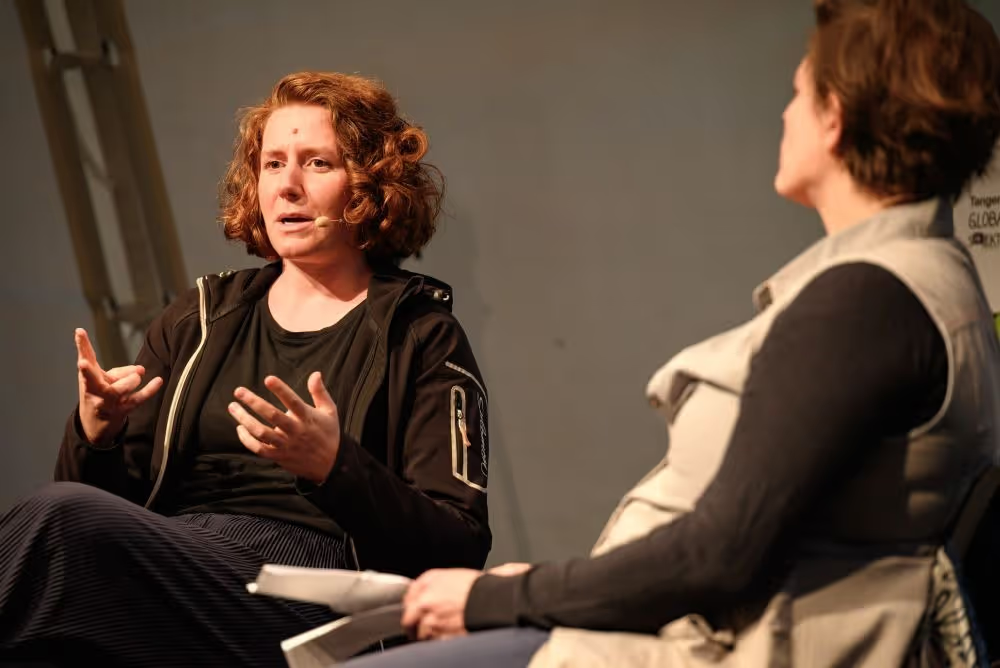
On the nature stage, the talks programme opened with Clara Porák, founding member of the Climate Journalism Network and the inclusive newsroom andererseits. In her talk “Hoping realistically”, argued as sharply as it was sensitively, she explored the potential and the problems of hope – concluding: “Another world is possible. Every time I lose hope, with every shock and every bit of despair, I become more certain of that – but it is up to us to stand up for it.”
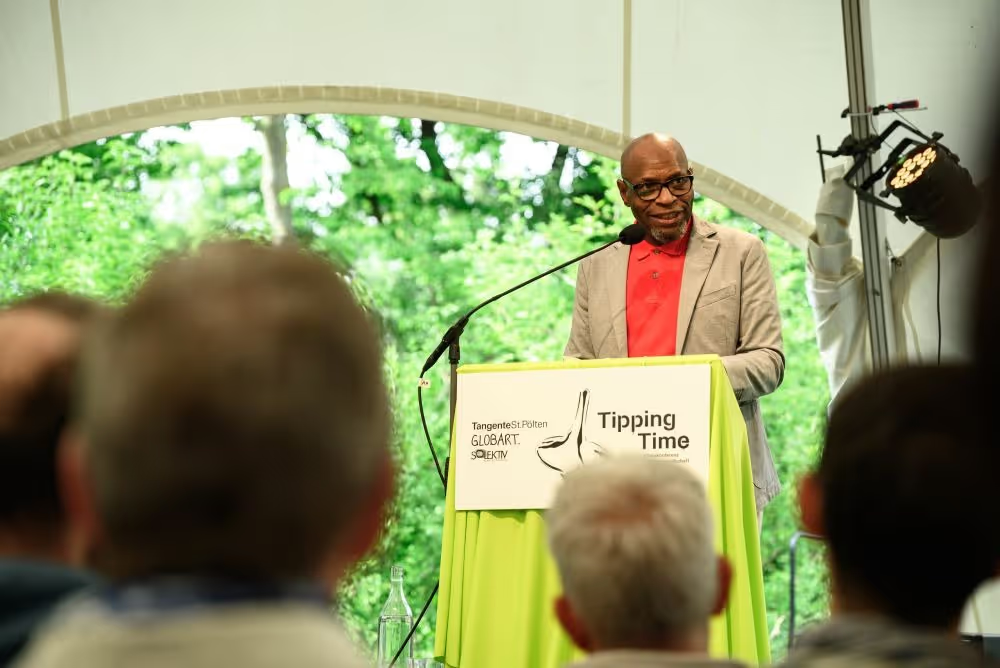
What standing up for others might mean on a global level was demonstrated by Nigerian activist Peter Emorinken-Donatus in his passionate plea “Bearing responsibility”. In a moving talk, he named the centuries-long exploitation of the Global South by the Global North and what is now needed to remedy the three greatest injustices: “We need: genuine apologies, adequate reparations, the promise that it will not happen again – and transformation!”
(Recommended reports on Friday appeared in Die Presse and NÖN, among others.)
Taking a breath – and listening to the neighbours
Time to take a breath: in the open forum Climate Feeling, participants were invited to share their impressions, worries and inspiration. Guided by Sarah Haas (Kontext Institut) and Sophia Stranger (Austrian Centre for Peace), some brave souls dared to speak in front of the audience about how they were feeling, motivating others in turn.
To close the nature stage programme, journalist and author Anna-Katharina Laggner asked activist and think-tank founder Katharina Rogenhofer how to “keep going for the long haul”. The answer: it only takes a small part of the population to make a difference – that gives Katharina Rogenhofer strength. And: talk to each other. Her own grandmother, she says, was sceptical about her activism until a school friend told her how great he thought her granddaughter's work was. “So it often doesn't matter what someone says – but who says it, so that it reaches people. And we can all approach and convince people around us.”
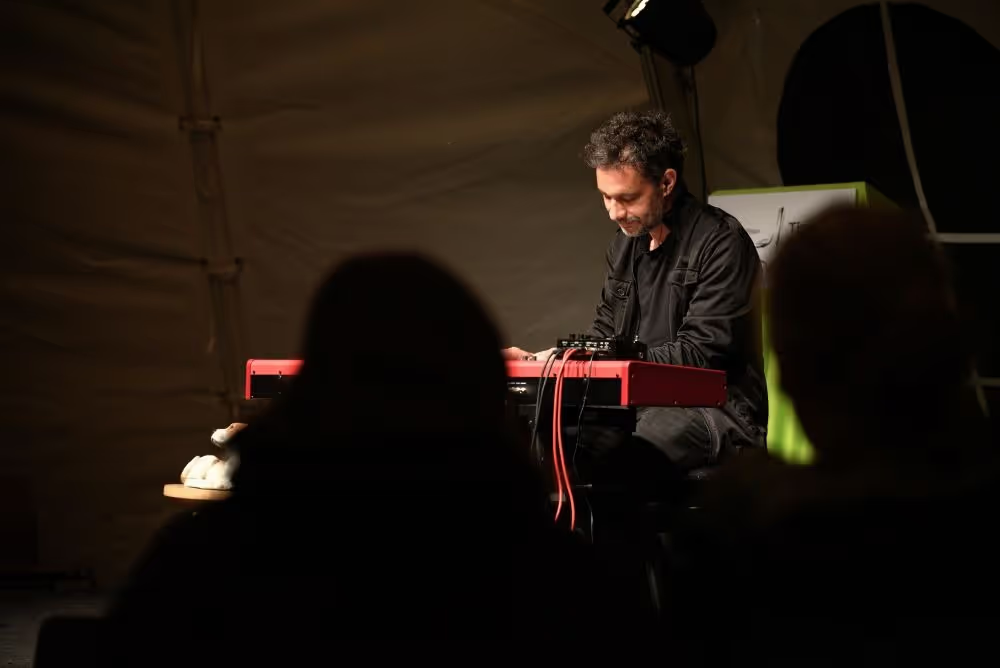
To round off the day, Christoph Richter, pianist and St. Pölten local hero, took the stage and enchanted the audience with his delicate compositions.
Off to the garden
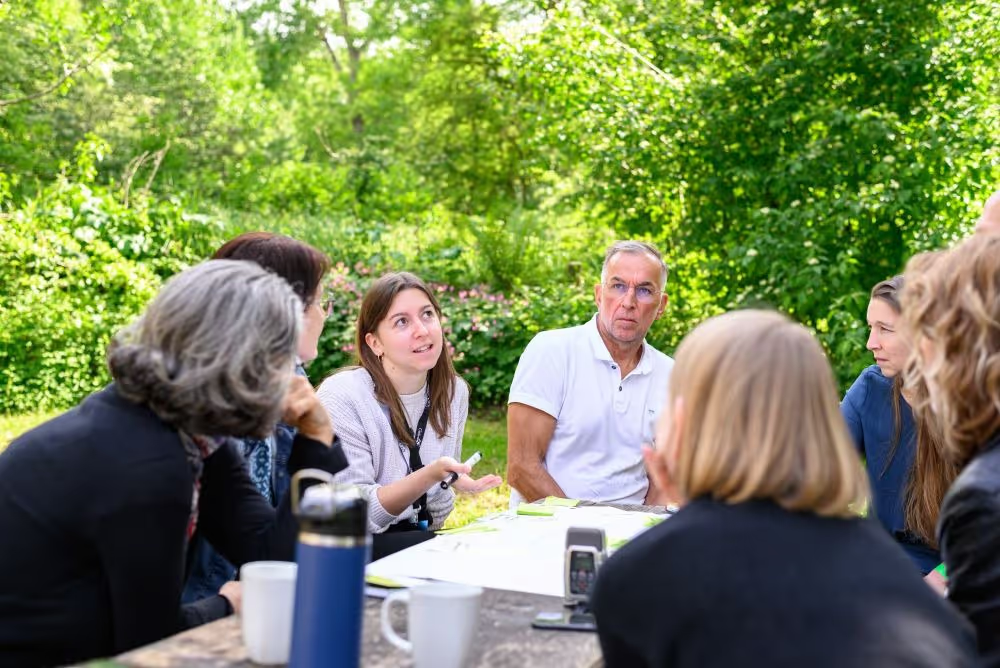
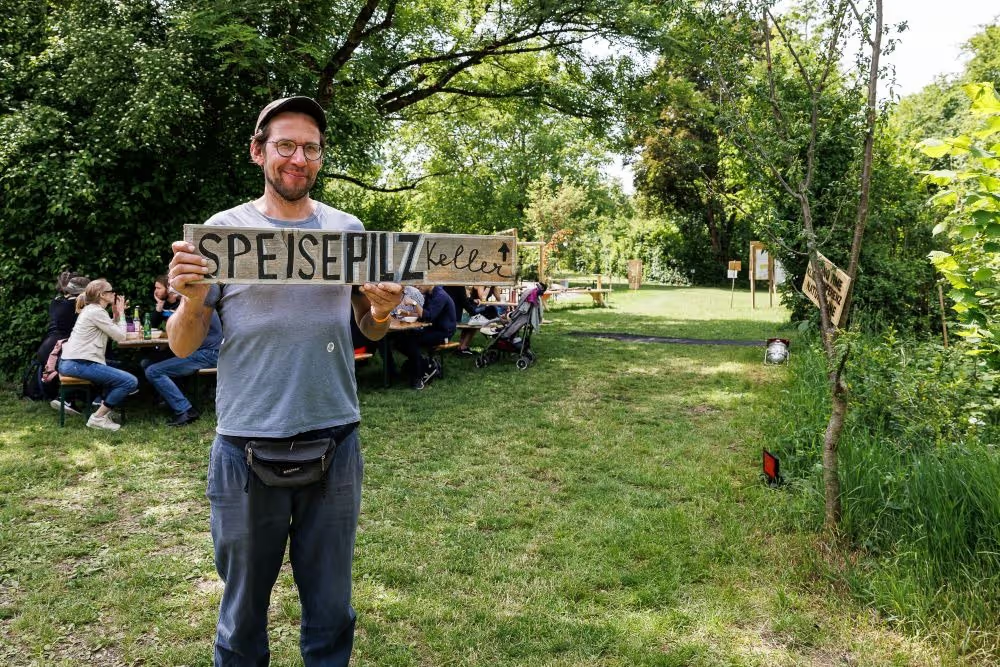
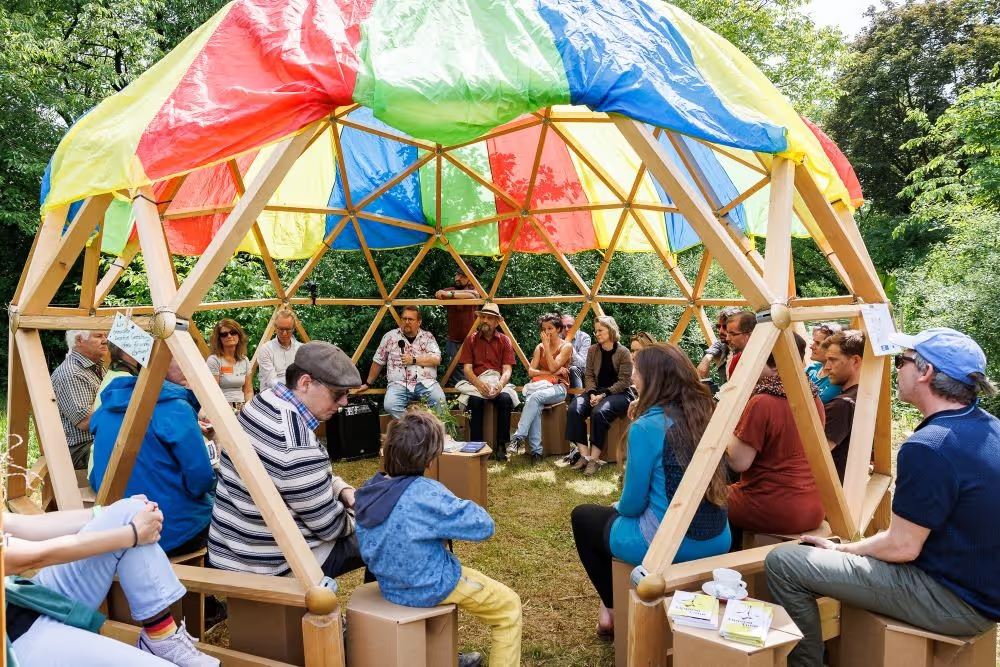
Sonnenpark was bustling from early on Saturday morning for the Day of Initiatives, which Globart and Solektiv had organised together with Fridays For Future, Pioneers of Change and the MitmachRegion St. Pölten/Traisental. On the grounds of the Community Gardens North, nearly 30 associations, initiatives and projects presented their plans – ranging from think tanks and the cycling lobby to sustainable housing projects. In bright sunshine, visitors and initiatives networked, exchanged ideas and formed new alliances. And in the geodesic dome, built together under the guidance of the European Public Sphere, many people engaged in lively discussion on “Europe and democracy in the climate crisis”.
Satisfying curiosity in workshops
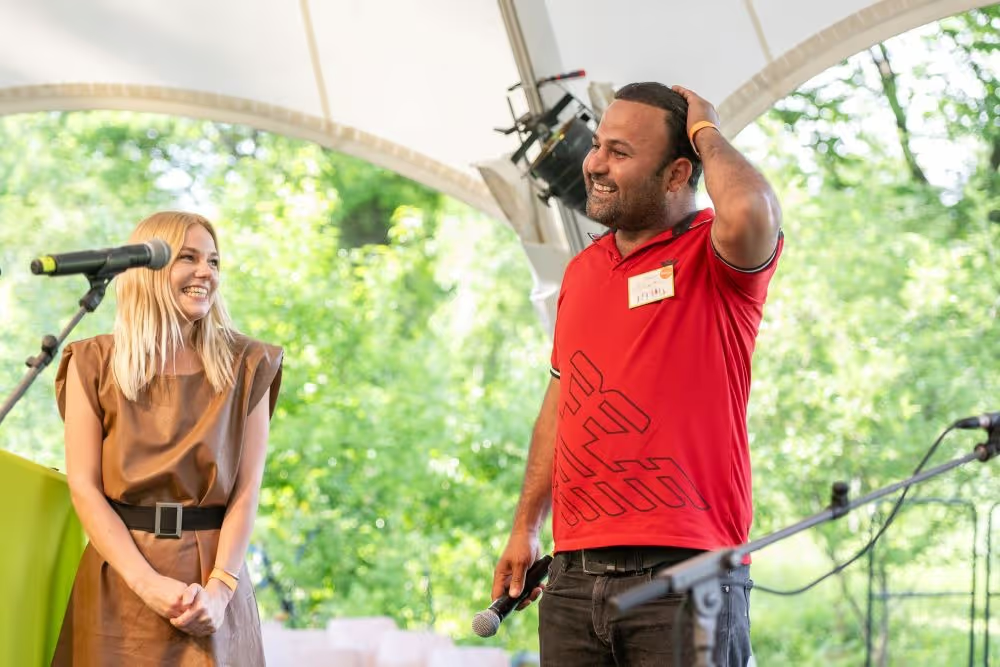
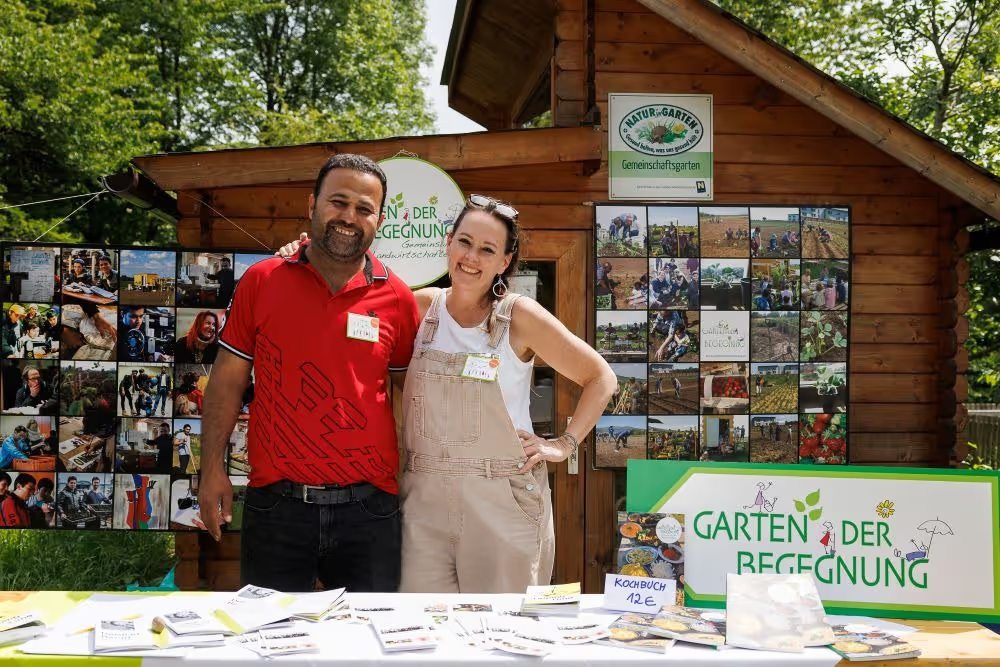
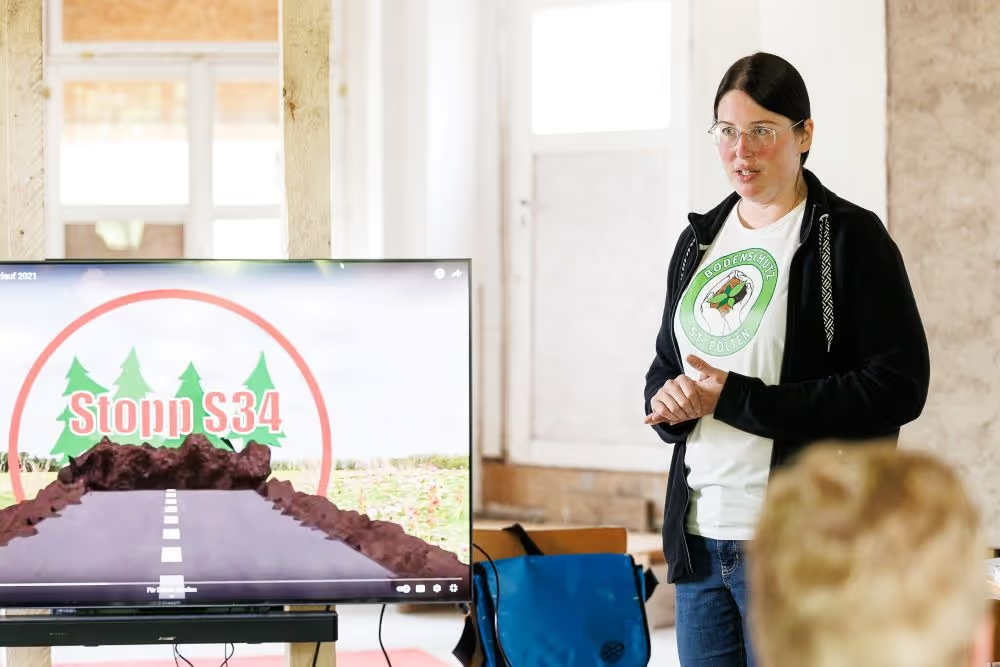
Meanwhile, artist and activist Isa Klee led interested visitors on a morning walk through the park, inviting them to discover the world of insects. And no fewer than four Protagonists of Change gathered curious participants in their workshops: Martin Kirchner of Pioneers of Change asked his participants what they want to do with the rest of their lives – and how to get closer to an answer. Nutritional ecologist Martin Schlatzer of FiBL entertainingly demonstrated how our eating habits affect the environment and how we can bring more mindfulness into the way we eat. Afterwards, Romana Drexler reported on the current status of the initiatives she founded, “Bodenschutz St. Pölten” and “Stopp S34”; and Delshad Bazari, who came to Austria in 2015 and now helps refugees in Traiskirchen settle into their new surroundings and invites them to the Garten der Begegnung, spoke movingly and with disarming openness about the power of encounter.
Shared landscapes and the wind of change
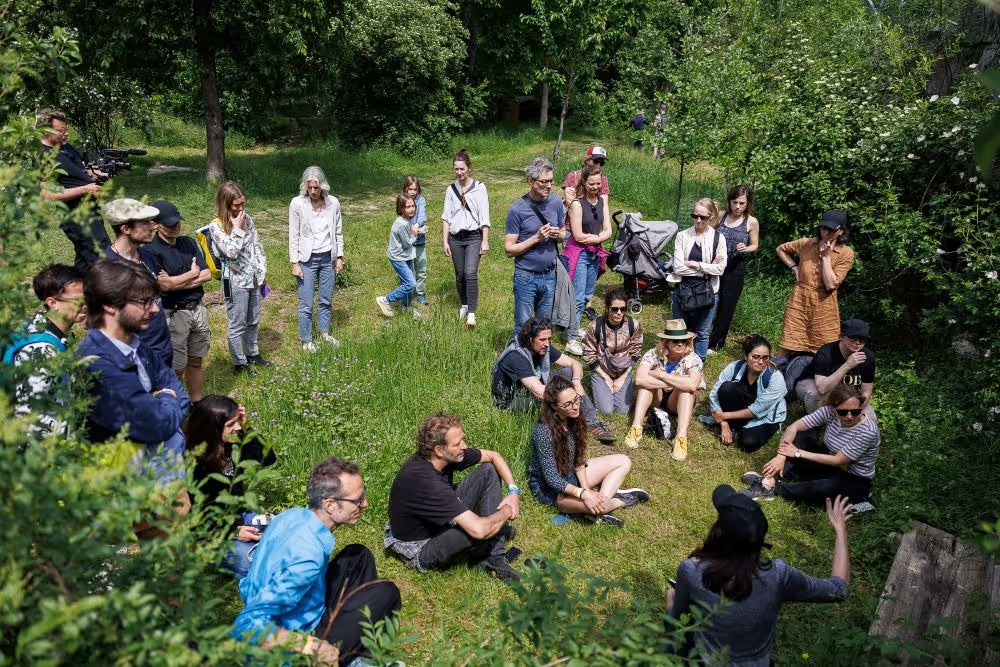
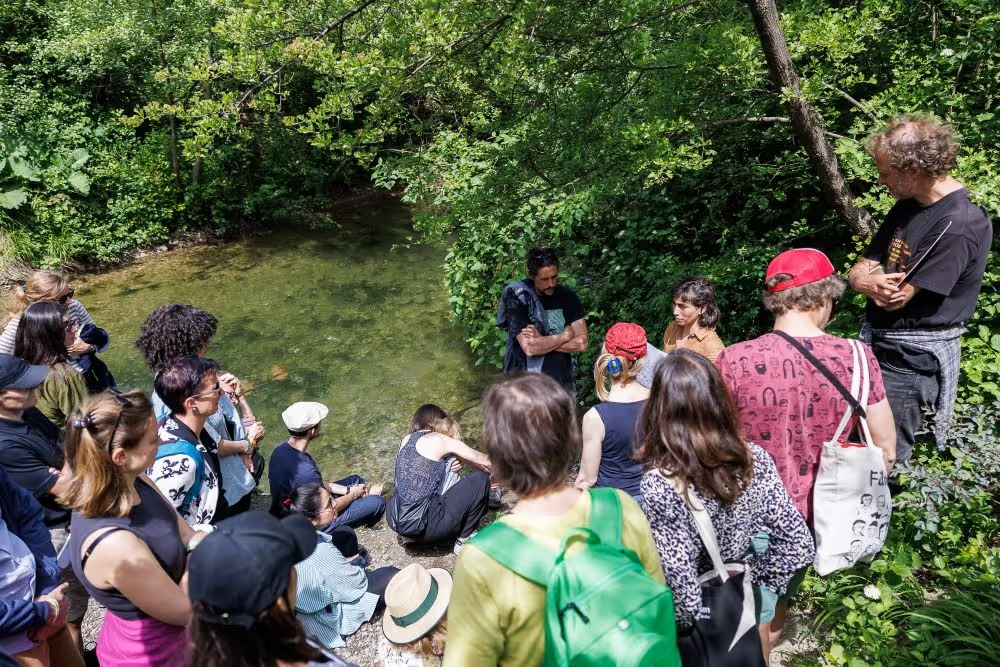
Two special projects closely linked to Tangente St. Pölten attracted a great many participants: guided by Rimini Protokoll co-founder Stefan Kaegi and curator Caroline Barneaud, scientists from all over Europe explored Sonnenpark – and, under the title “Researching into the Landscape”, roamed the park with around 30 visitors, opening up entirely new perspectives from environmental science, biology, architecture, philosophy, cartography and the performing arts.
In the packed Mobile City Lab, Kaegi and Barneaud then met cultural scholar Karin Harrasser for a conversation. In her talk, she sees the “wind of change” not just as a political metaphor but asks concretely: “How can we cultivate ways of dealing with uncertainty without falling into fatalistic assimilationism? And how should we deal with the unequal distribution of risk and vulnerability?”
On spirituality and extreme weather events
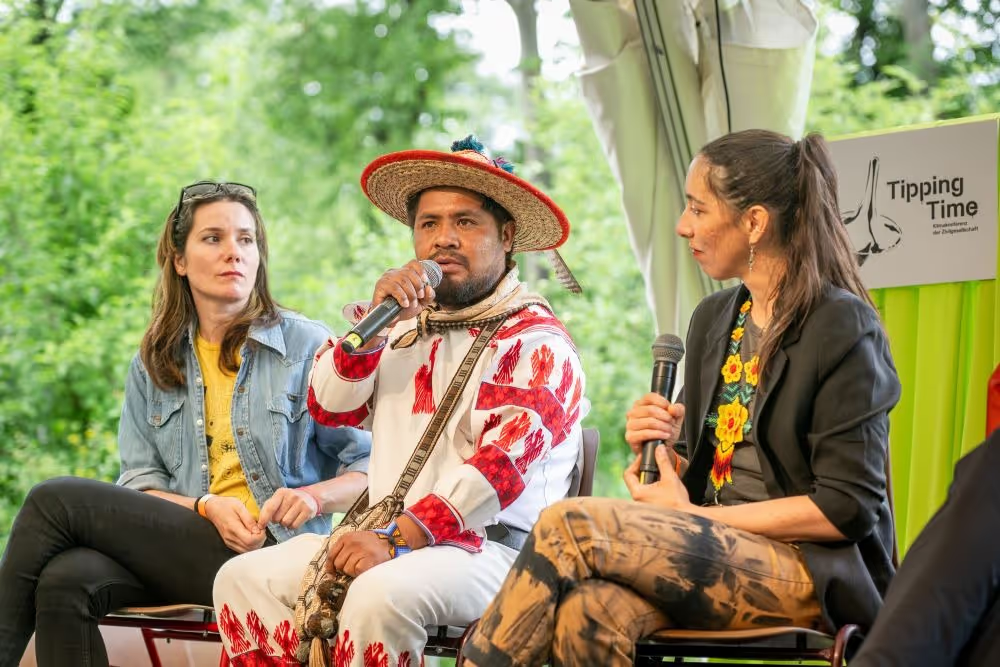
In the afternoon, many listeners on the nature stage heard artist Amanda Piña, who together with performer Clemente Ramirez added another Global South perspective to the discourse. In conversation with Tarun Kade, curatorial director of Tangente St. Pölten, the two spoke about Indigenous experience and the importance of cultural change and spiritual renewal in tackling the causes of the climate crisis.
Internationally renowned physicist Friederike Otto took a somewhat different relationship to the world as the basis for one of her rare talks, entitled “Transforming fear”. As in her book “Klima(un)gerechtigkeit” (Climate (In)justice), she argued that tipping points should not be our main focus: “Whether they exist or not makes no difference to what we have to do. They frighten us via the media and obscure the fact that climate change is already here.” Extreme weather events will not wipe out humanity, but they are already destroying habitats and livelihoods – and increasing global injustice. But if driving Route 66 in a convertible is still our idea of freedom, Otto said, “we need better stories that our dreams respond to just as much”.
(Recommended reports and videos on Saturday, the Day of Initiatives and Friederike Otto appeared in NÖN and ORF Topos, among others.)
What losses mean to us and how we learn to live with them
The audience could take a final breath before the closing speech in the second round of Climate Feelings, led that evening by Johannes Brossmann (Plansinn and Climate Council) and Sarah Haas (Kontext). After reflections and loosening-up exercises, everyone was ready for the closing talk “Living with loss” by bestselling author Daniel Schreiber, which was thoughtful yet hopeful. “At some point we manage to cope even with a situation we never thought we could cope with. Radical hope means trusting precisely in that,” he concluded his reflections on what is irretrievably lost – touching on a feeling that had permeated all three days of “Tipping Time”: joy that solutions already exist, that more will come, and that we are not alone with our worries – nor with our determination and our ideas for a good shared future.
A finale with fire and music
“I am grateful – brimming with impressions, insights and a new surge of motivation and energy after these days,” said one visitor at the night-time finale, an enchanting concert by Violetta Parisini by the light of a campfire. “Finally I have words for what has been vaguely with me for so long.”
According to Tangente, around 700 visits to Sonnenpark and the various parts of the climate conference programme were counted over the three days. Sixty festival passes enabled civil society activists to take part free of charge as part of the “Activist Scholarship” funded by the Economy for the Common Good, Lux Bau and private donors.
Jakob Brossmann of Globart was also pleased: “This conference was carried by so much solidarity, positive approaches and fighting spirit – and we are glad that, together with Solektiv and Tangente St. Pölten, we were able to bring together so many people from art, science and civil society. What we heard and saw here will have a lasting impact – and gives us strength for everything that lies ahead, as well as the certainty that we will face the challenges together.”






No items found.
In partnership with:
No items found.





Collaborations
No items found.
Sponsors of the scholarship programme
No items found.
Media partners
No items found.
Become a member now or give a membership as a gift
Globart members benefit from the Globart network and from reduced participation fees at all events.