Support us
Review: Days of Transformation 2025
.
.
to
.
.
Save to calendar
Button Text
Review: Days of Transformation 2025
ACHTUNG: not a warning, but an invitation to turn towards one another. A look back at the Days of Transformation 2025.
10:11
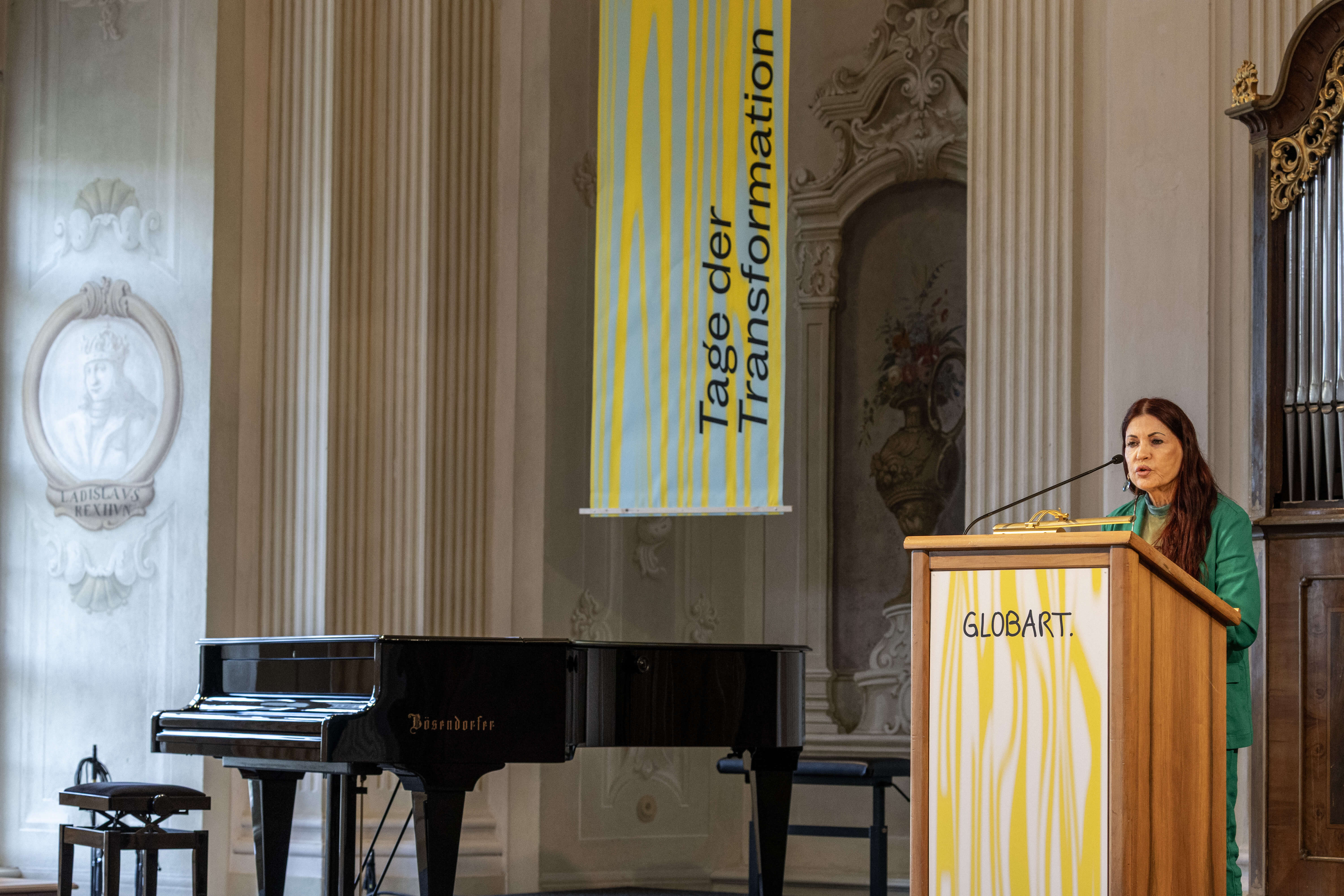
“The loud clamour of populists and the constant rhetoric of exclusion have pushed the enormous power of constructive debate into the background. For three days, we want to argue, marvel, reconcile, negotiate and explore,” was Artistic Director Fabian Burstein's message to the guests in the Kolomani Hall of Melk Abbey in 2025. And further: “We celebrate discourse as a cultural technique that finally allows us to negotiate again how we want to live in the future.”
“It is about coming together, discussing and testing what a shared future could look like – one in which we talk with each other rather than about each other, as equals, with respect and regard,” said Stefanie Jaksch, curator of the festival. “I am firmly convinced that our programme has the opportunity and the task to meet the status quo critically without dividing us further,” Jaksch explained. “Our guests and the diversity of connections they make to the theme of ACHTUNG embody this conviction. Yes, we will not always agree, but we will be full of respect for one another and for our individual experiences. Because that is exactly the basis for stable relationships.”
This year's Days of Transformation were therefore held under the motto Achtung – a word mostly used as a warning in everyday German (“Attention!”), but here in its other meaning as a synonym for respect. A clear counterpoint to the verbal and social escalation of our time: not a warning, but an invitation to turn towards others and engage with them in a nuanced way.
A series of events, exhibitions, shared activities, talks, playful actions and an impressive staged reading set the frame for three days of coming together in the wonderful baroque setting of Melk Abbey.
FRIDAY, 29 August 2025
Nigl's Crowd – baroque frescoes and archaic figures
Exhibition in the pavilion of Melk Abbey | 29 August – 31 October 2025
Even before the official opening, visitors to the abbey's garden pavilion were greeted by a special crowd: Franz Nigl let a horde of archaic clay figures, Nigl's Crowd, meet baroque frescoes – illusion, grandeur and romanticised depictions of distant worlds. Nigl's figures demand eye contact without communicating themselves. They stand, persist, gaze – reduced, massive, multiple.
Curator Florian Reese of Atelier 10 aptly describes their effect: “Each figure seems to be an image of archetypal understatement. Individually they appear rigid and simple, but as a group they multiply into the uncanny, the irritating, the moving.”
For Fabian Burstein, the work is programmatic: “Nigl's Crowd symbolises the contradictions that we not only endure at the festival but deliberately push. These figures ask us: what does respect mean when the other appears strange or even unsettling?” This clearly set the artistic frame. When a crowd is so different from what we are used to, we must look and try to understand with even greater attention.
The exhibition can be seen in the garden pavilion until the end of October – a wordless, powerful contribution to the debate on collective identity and the foreign within ourselves.


No items found.
Programme
No items found.
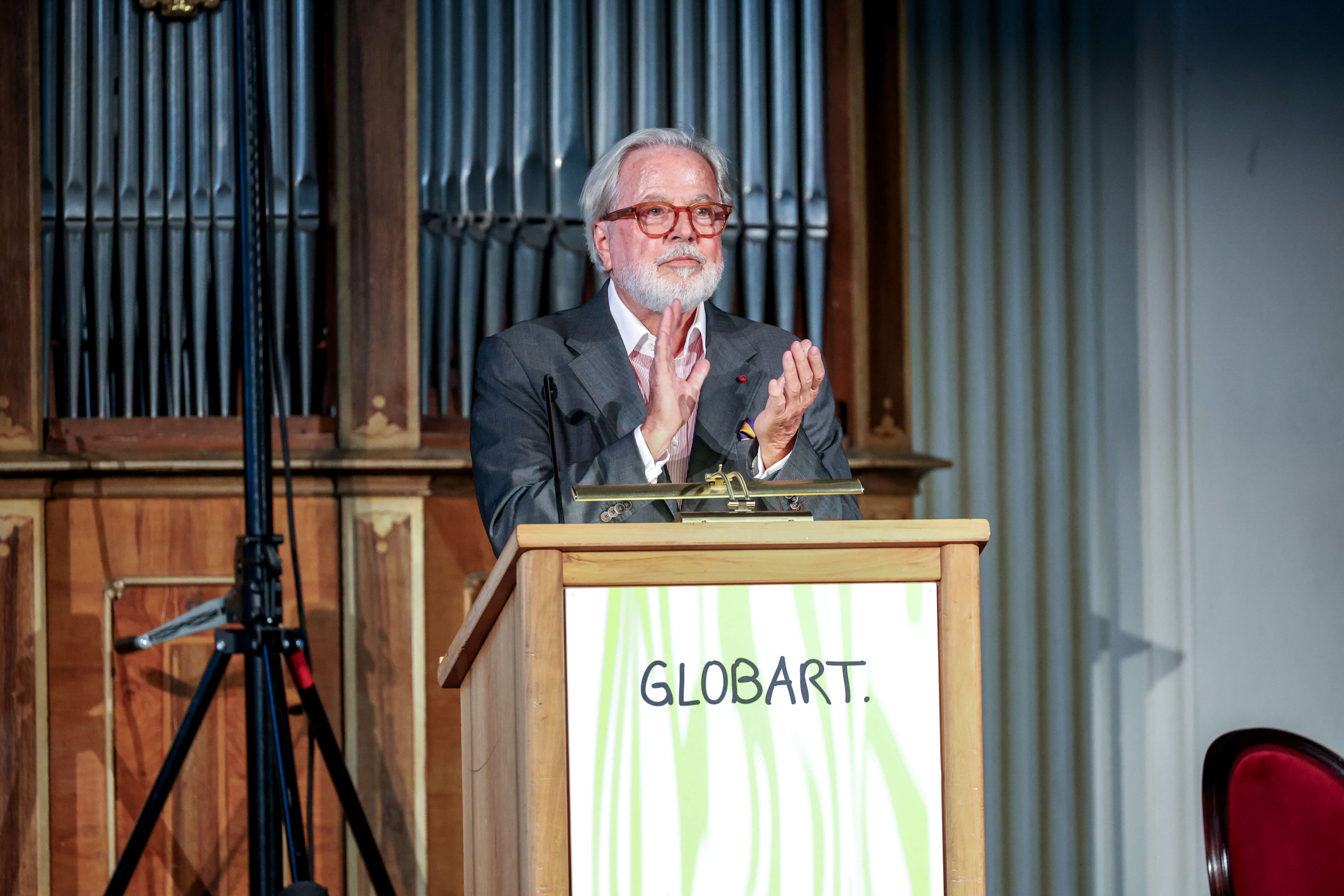
Opening in the Kolomani Hall
Asal Dardan on memory as resistance
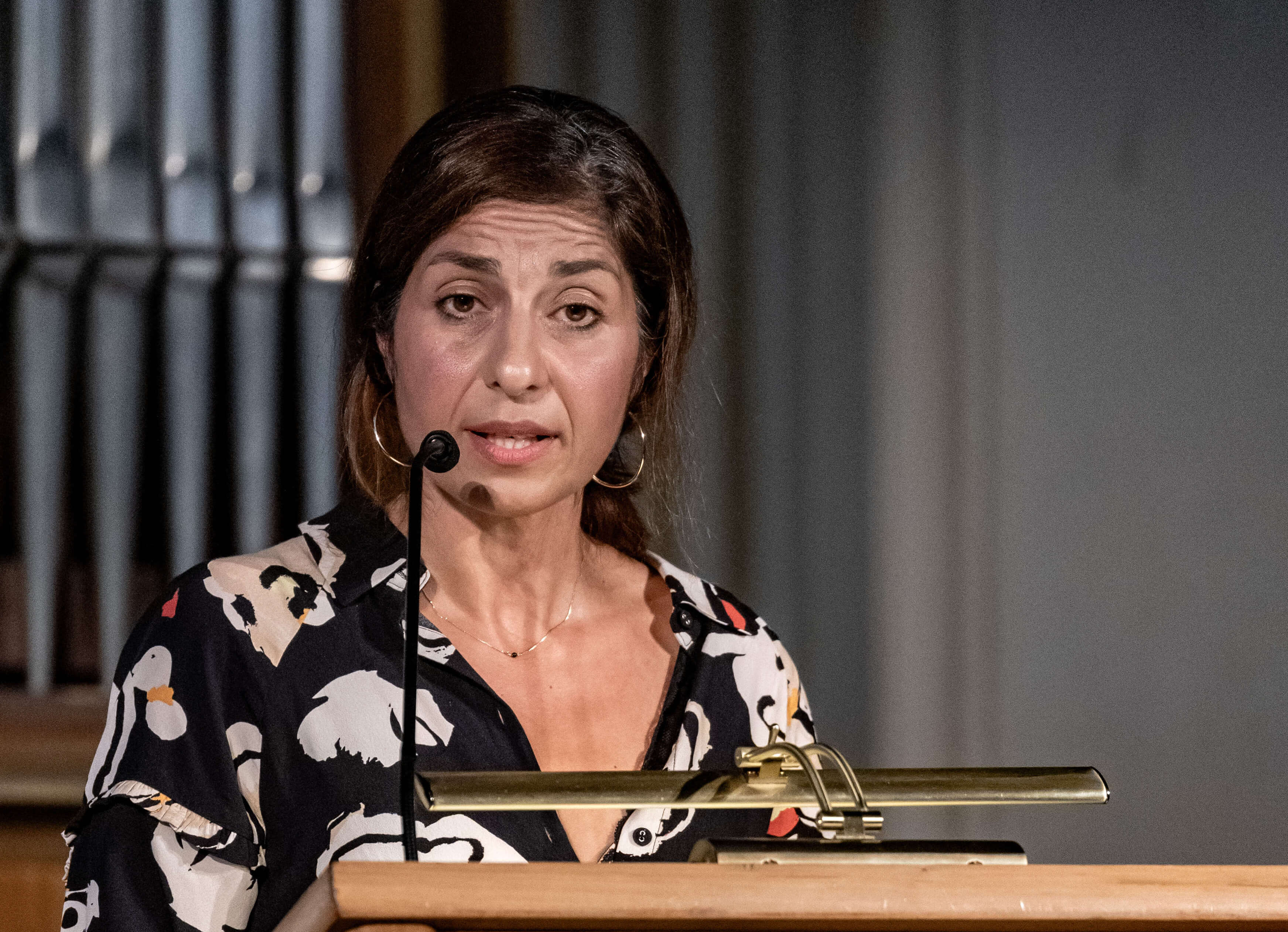
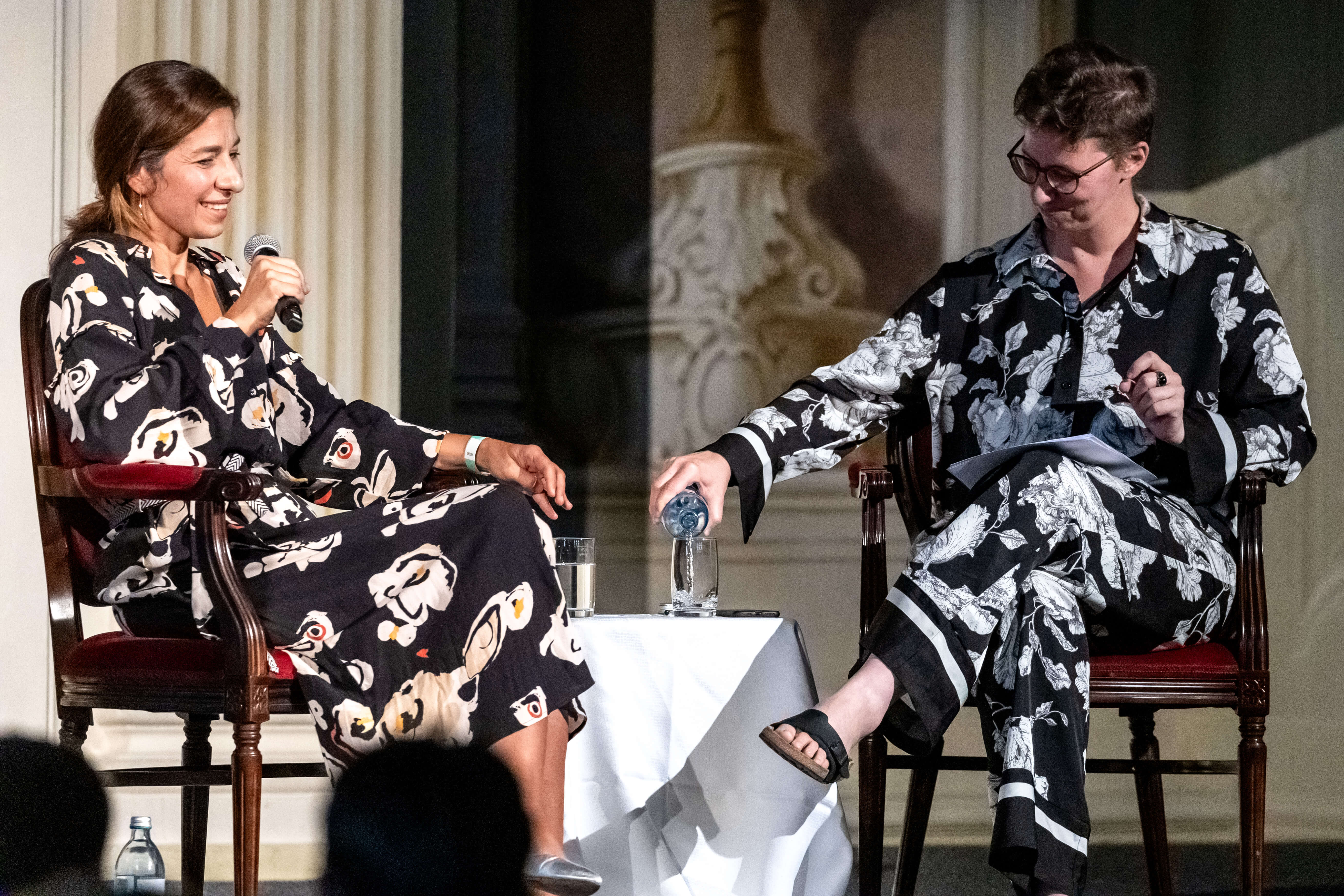
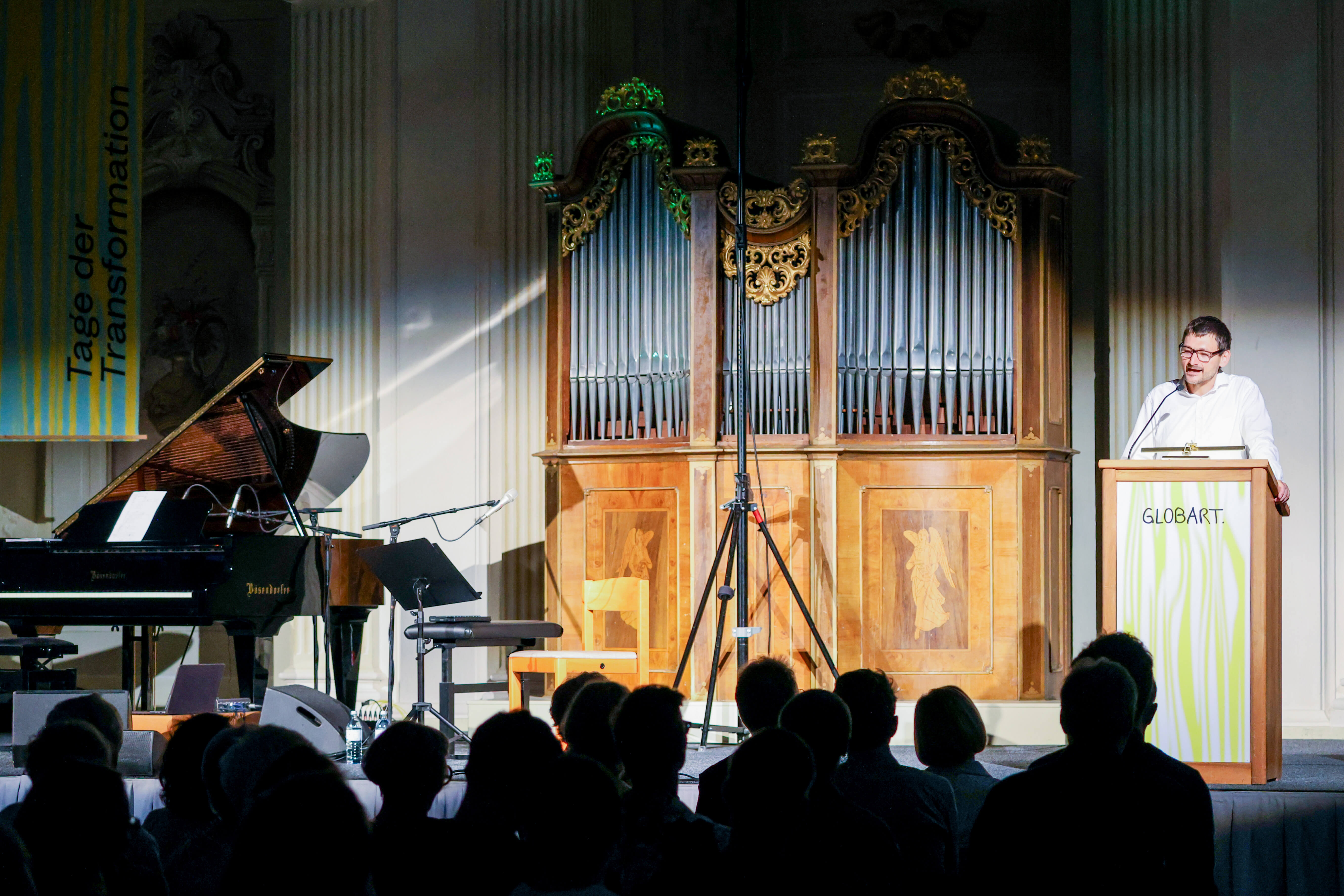
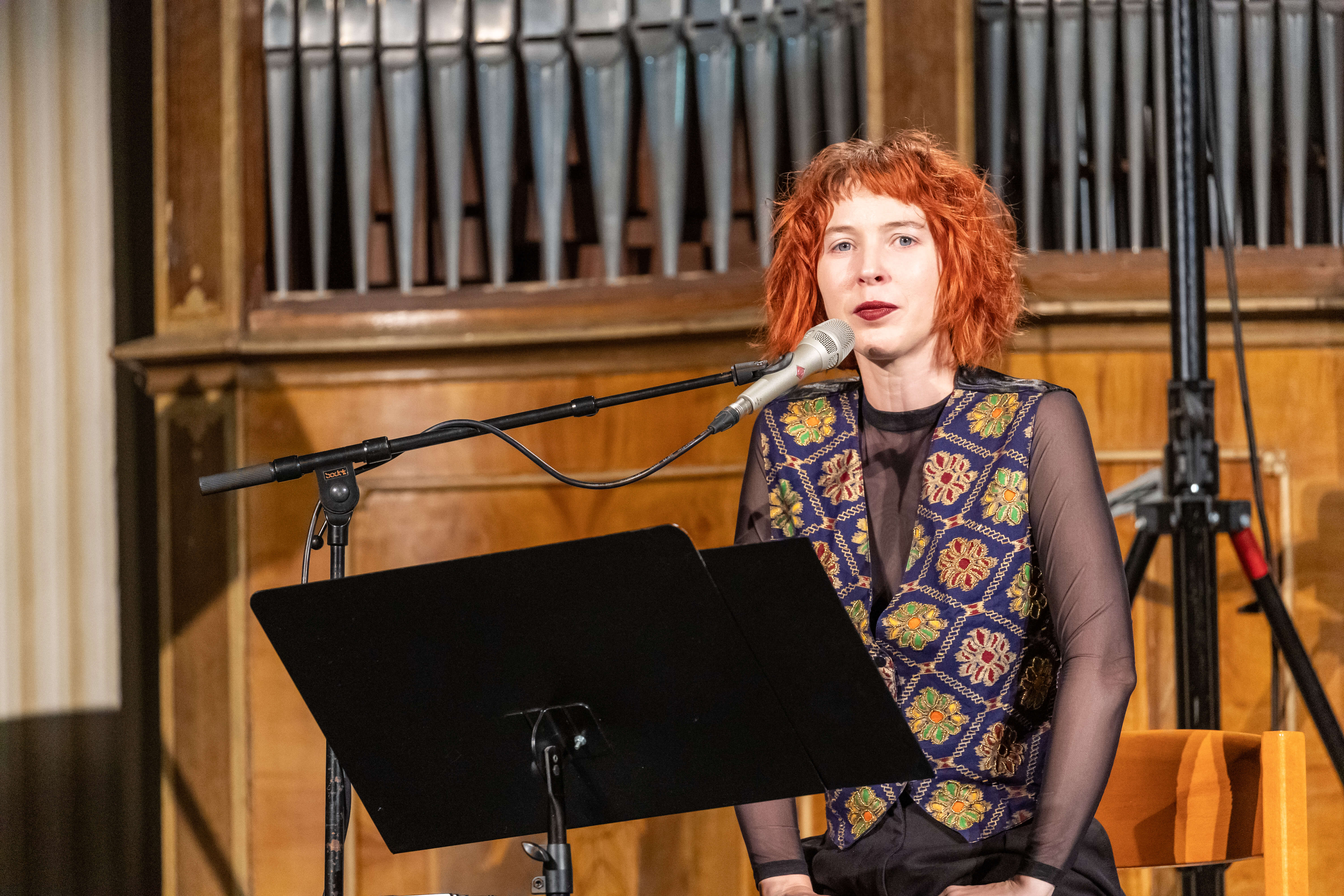
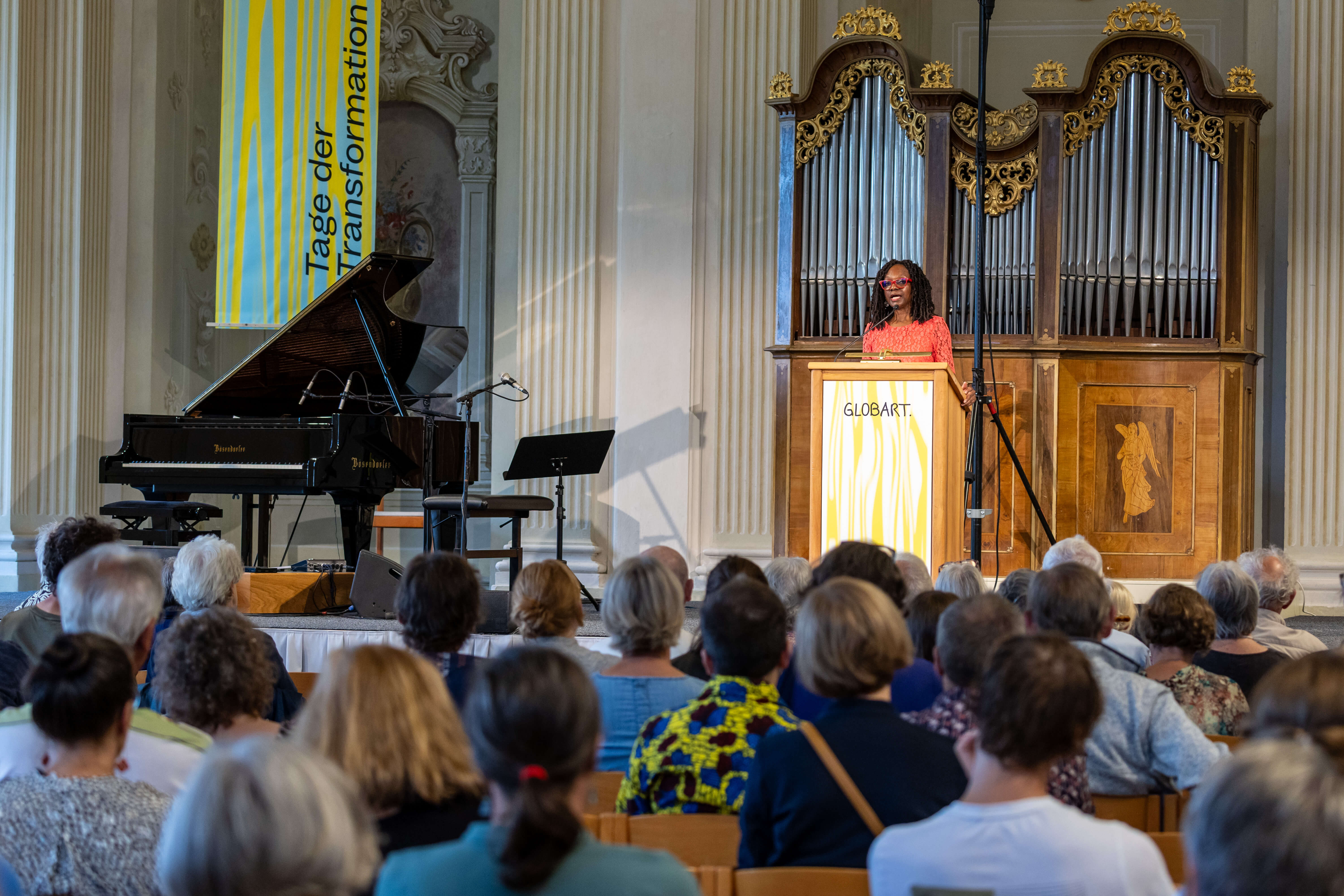
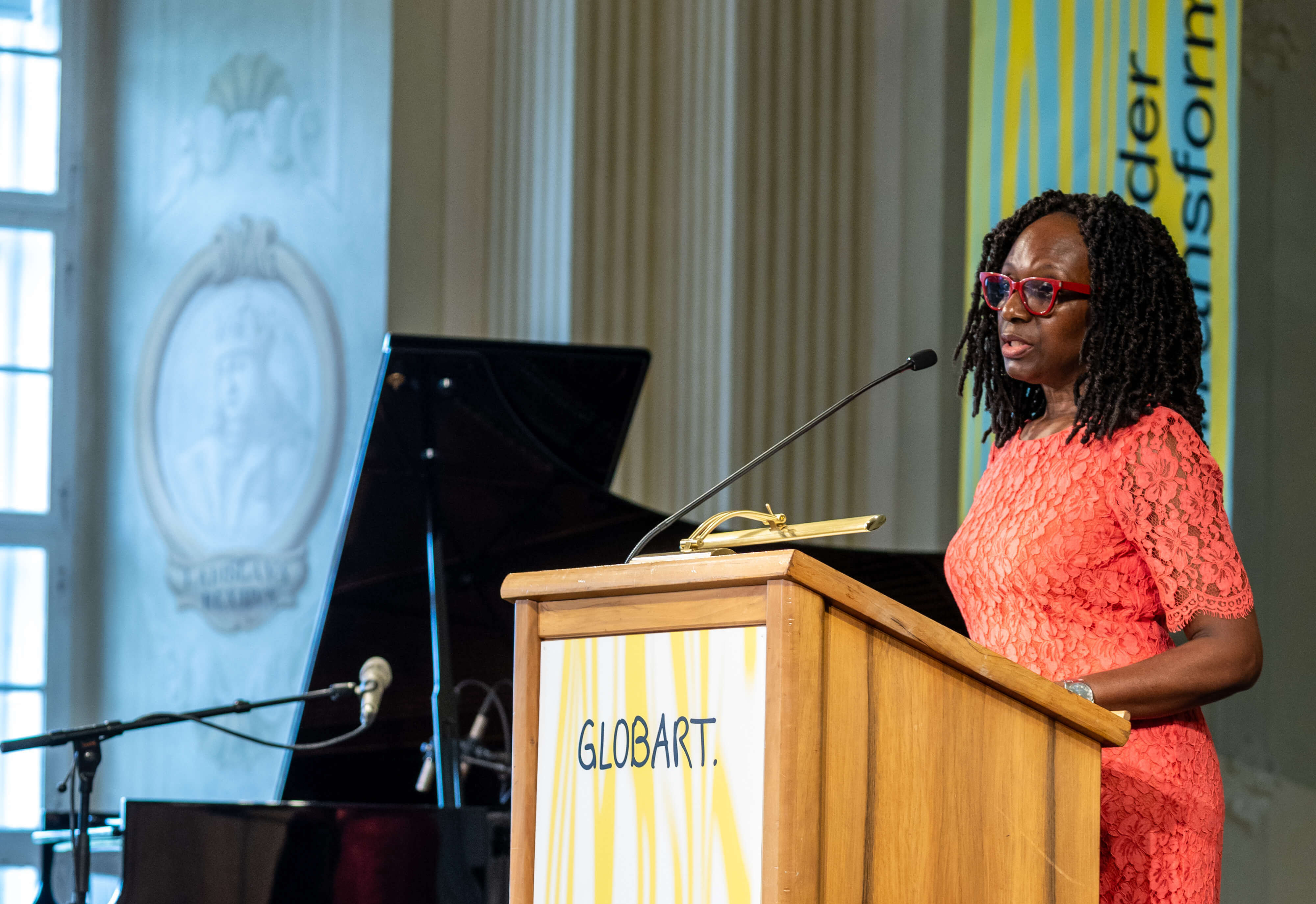
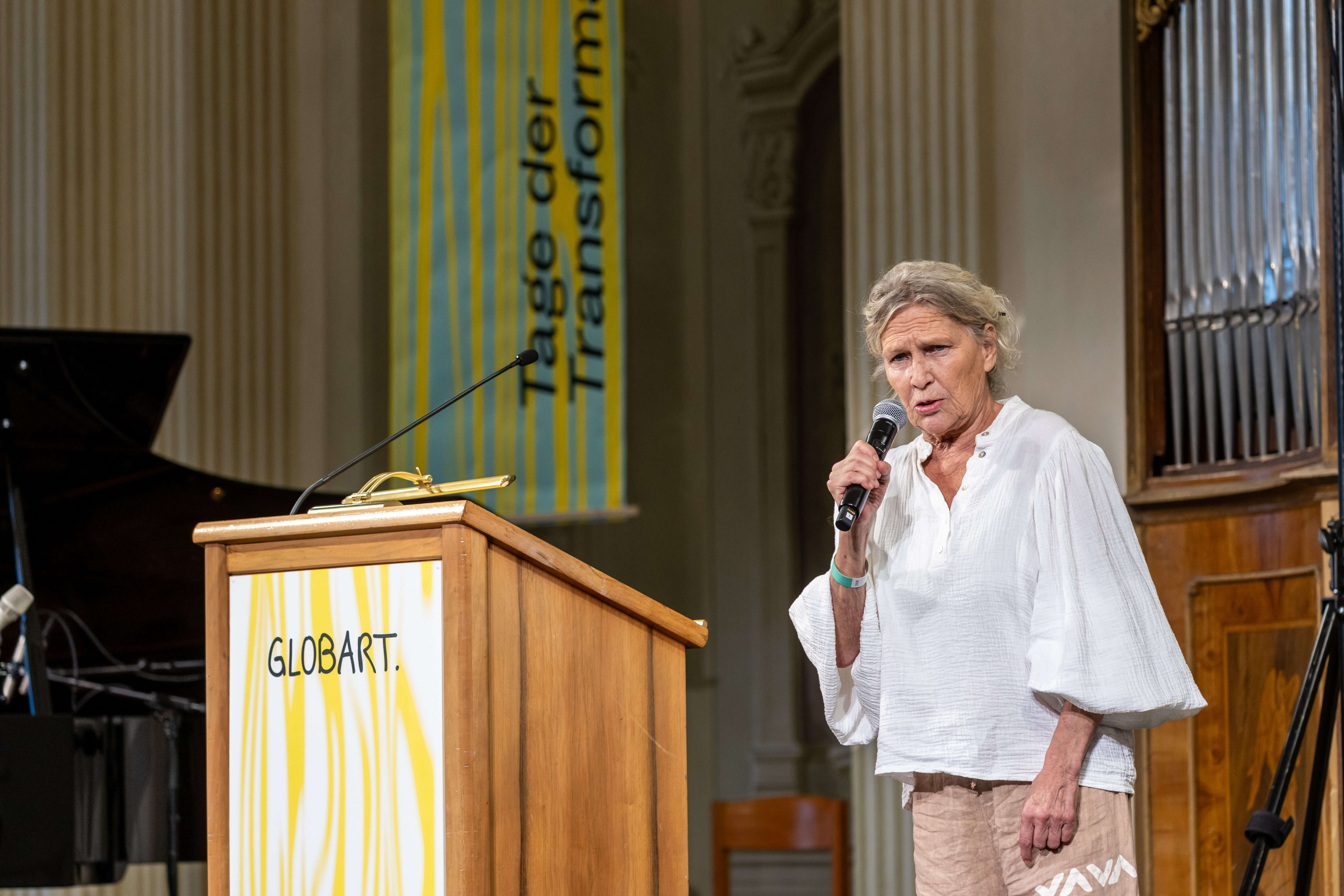
In the Kolomani Hall, author Asal Dardan opened the festival with a speech written especially for Melk, Wie die Vergangenheit unabänderlich war, würde die Hoffnung unabänderlich bleiben (As the past was unalterable, hope would remain unalterable). She called for history to be seen not as a linear sequence but as a spatial phenomenon – a place of debate. Memory, Dardan said, is not backward-looking but resistant. It is a practice, not empty pathos.
In powerful words, she combined personal narrative with political analysis: “Remembrance is not a duty to be ticked off, but a prerequisite for living together in a diverse society.” Her contribution was more than a talk – it was an ethical appeal for shaping our future. Hope, according to Dardan, must be rooted in a penetrating look at the past – not in looking away.
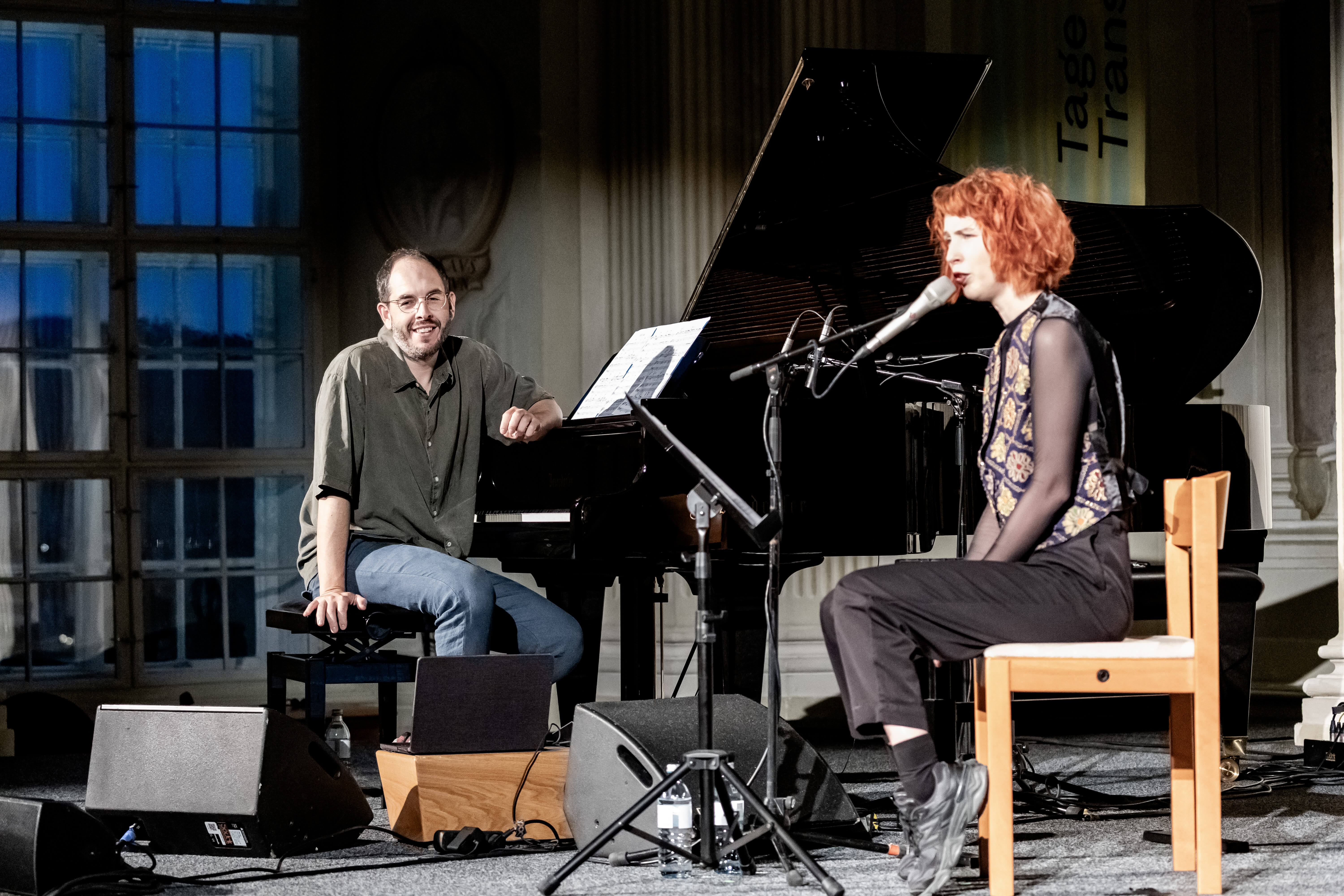
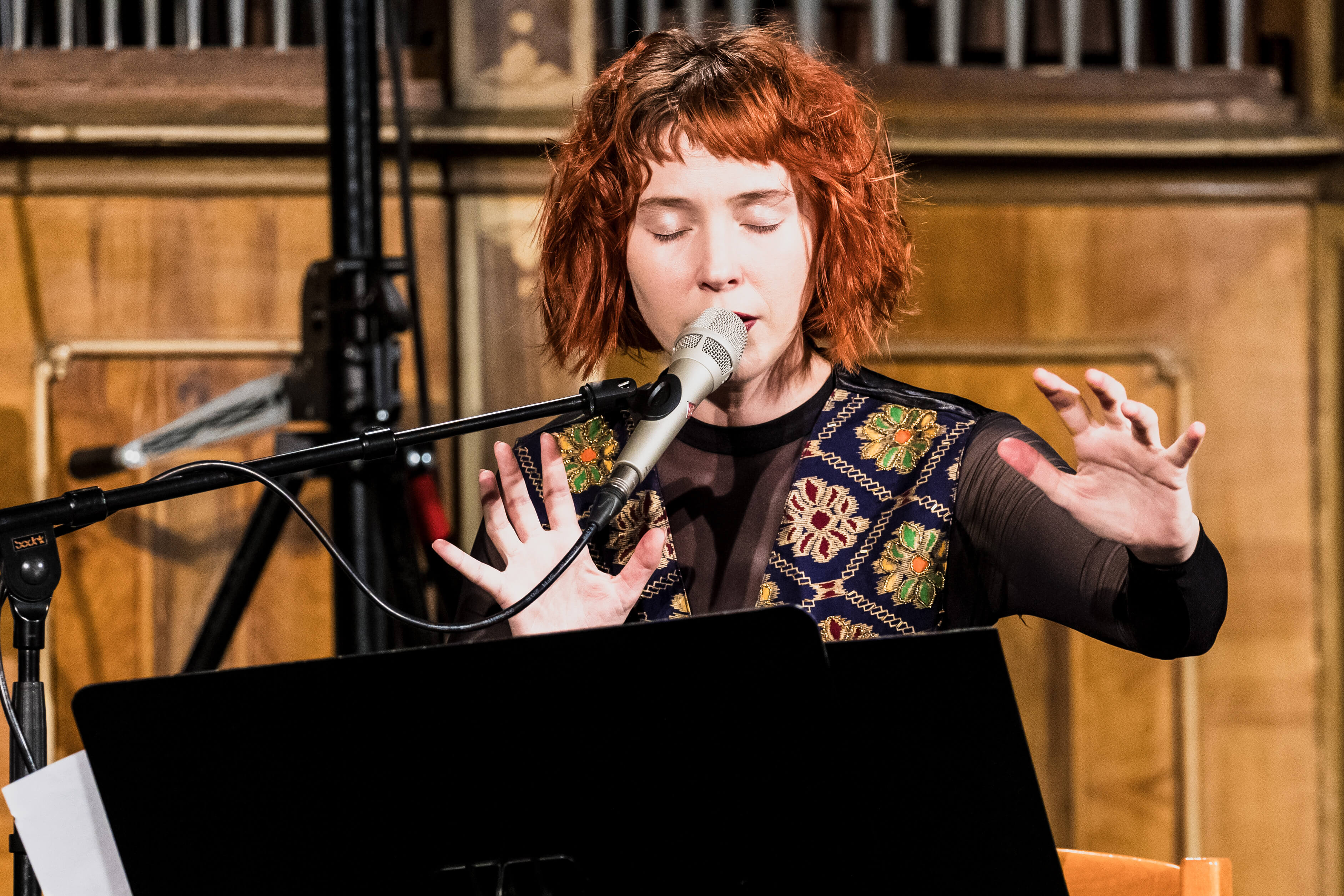
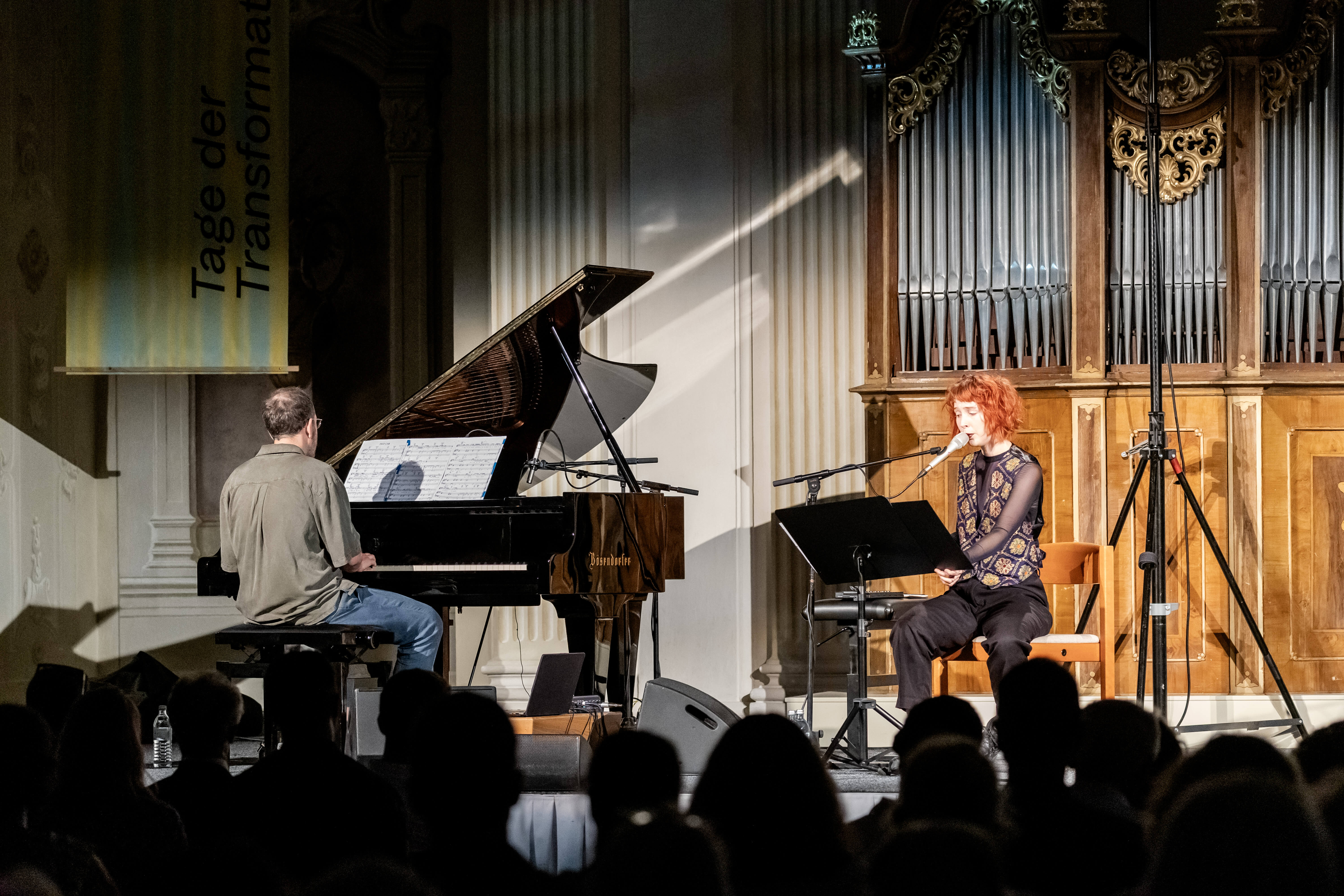
The opening evening was accompanied by a musical performance by the duo Mira Lu Kovacs & Clemens Wenger, whose songs from their album Sad Songs To Cry To created a dense, emotional atmosphere. Music and language combined into a harmonious start.

No items found.
SATURDAY, 30 AUGUST 2025
Practice, encounter, experience
A morning of personal transformation
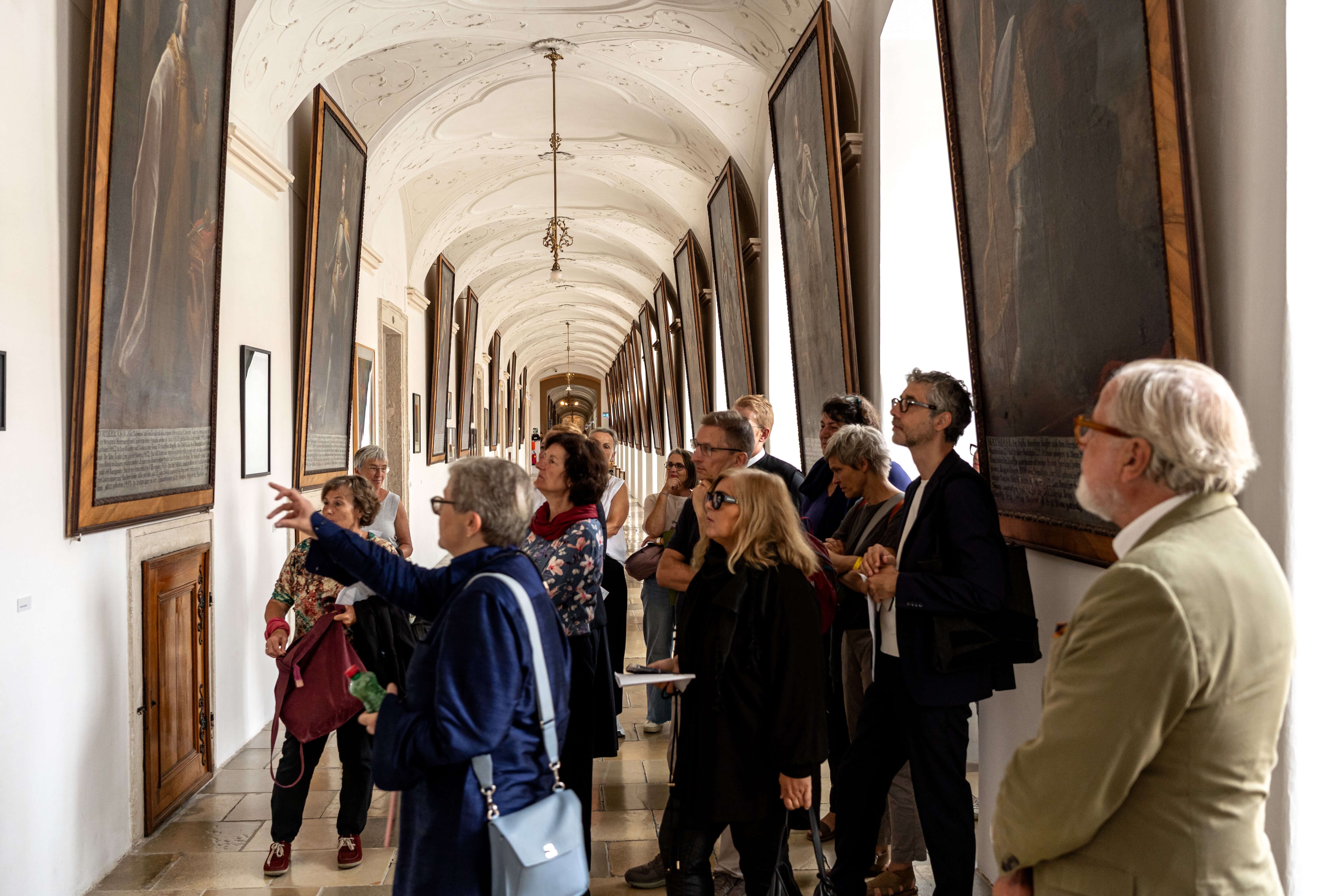
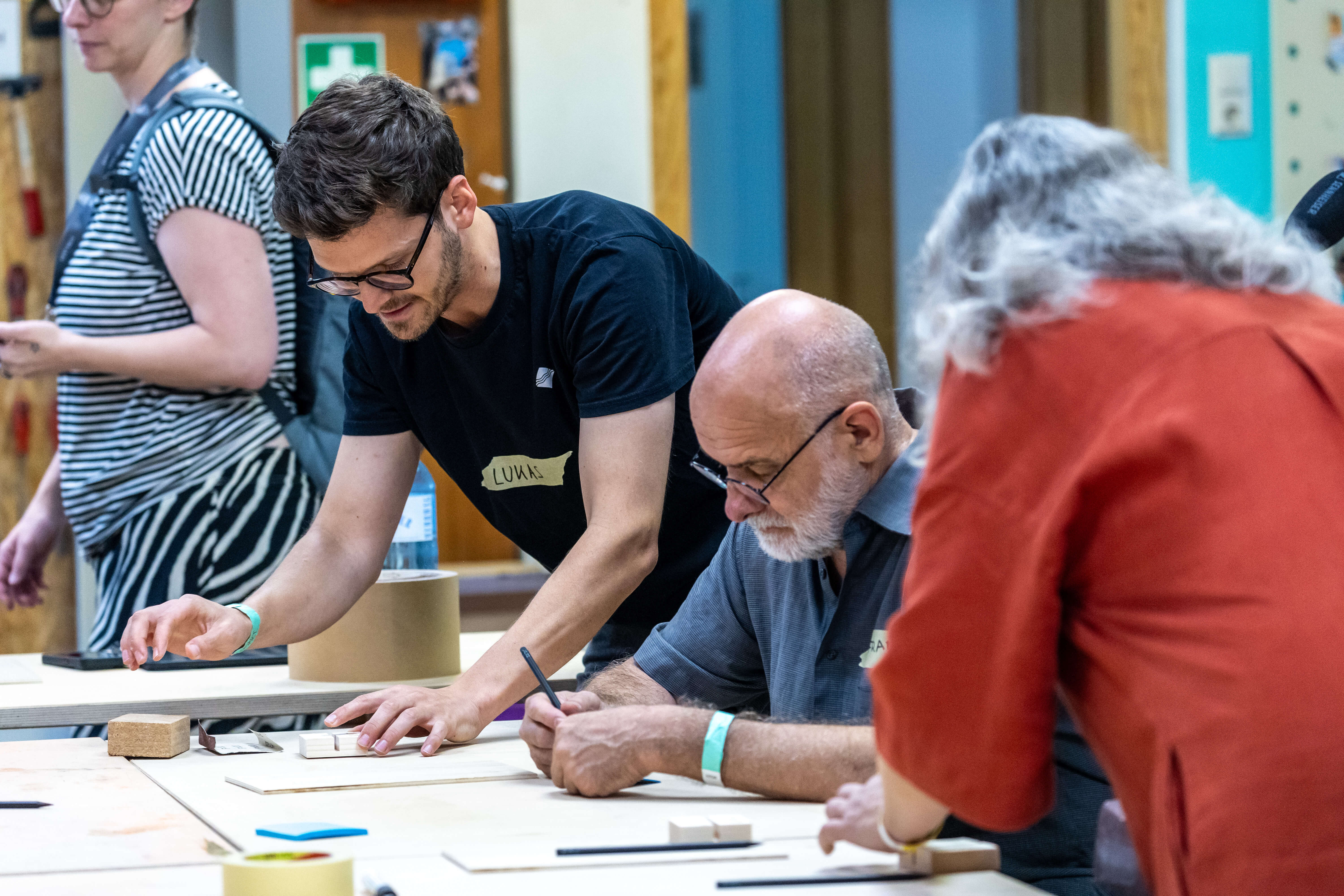
Saturday morning was devoted to experience. While the Kulinarisches Kollektiv held a meditative vegetable-chopping session with abbey staff that culminated in a shared soup ritual in the evening, Lukas Fürst invited participants to Wood & Hands, a creative craft session at Tischlerei Melk, where wishes and visions were exchanged and milled into wooden hands. In the baroque Imperial Corridor, collector Hannah Rieger and Hans Hoffer gave an introduction to the Art Brut exhibition in Experiencing Art. The connection between art, rawness and expressive power became tangible and was understood as a central part of respect.
In all three formats, participants experienced the constructive power of doing things together. Being active together, complementing each other, achieving satisfying results – that sums up the experience.
Living resilience and dignity
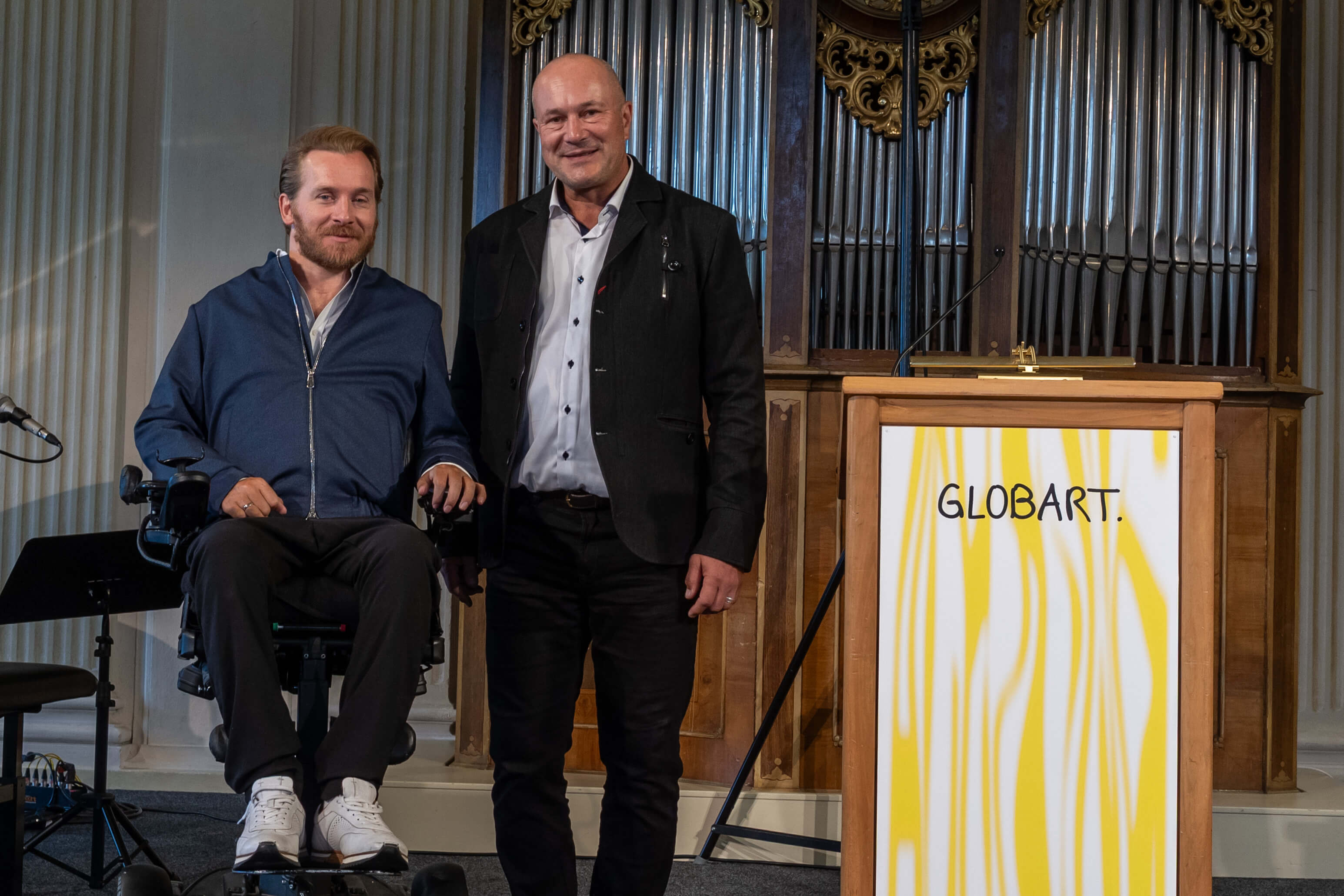
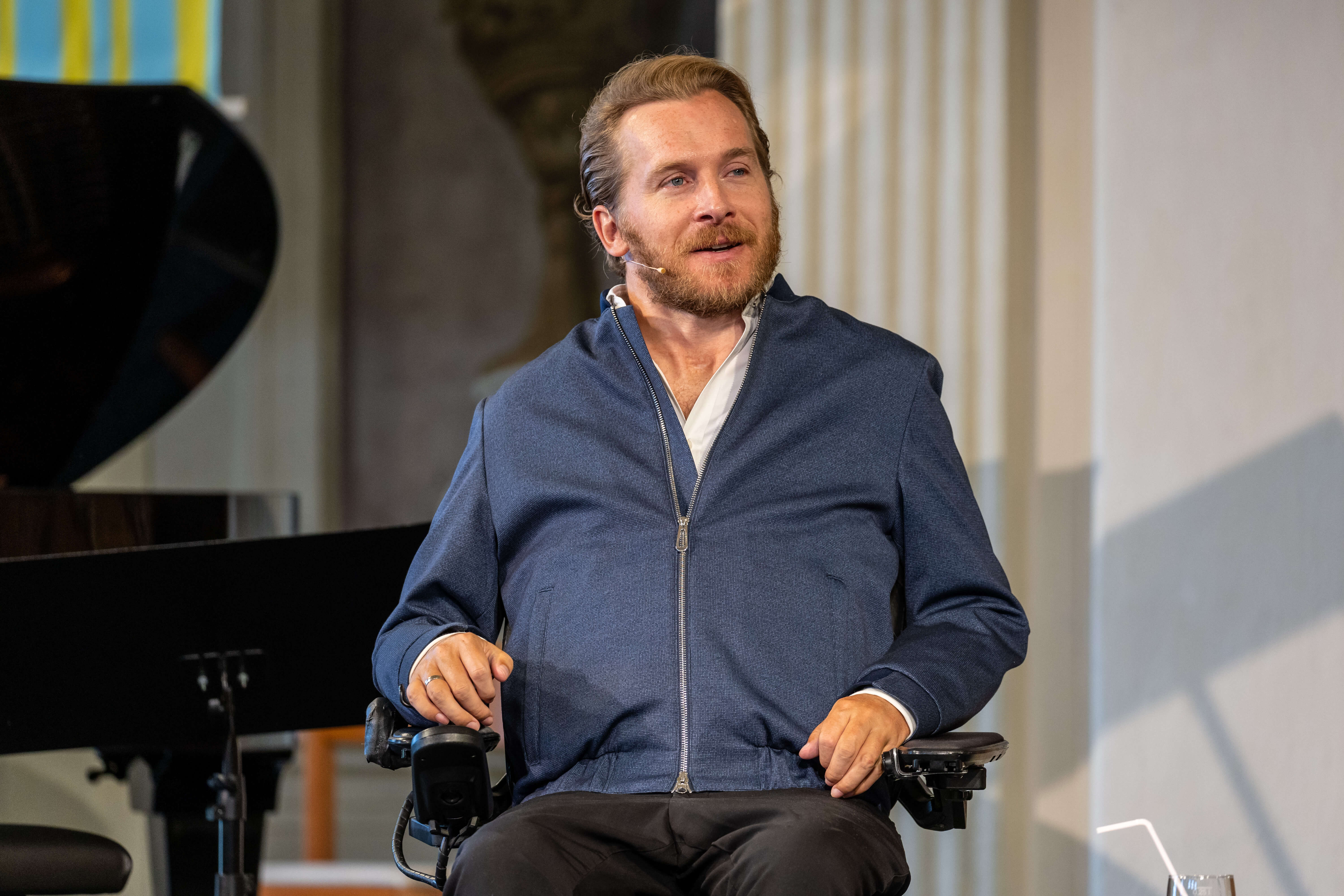
A special moment of the festival was the live recording of an episode of the Ö1 series “Im Gespräch” with actor Samuel Koch, conducted by Johannes Kaup. Koch, who has been paralysed since an accident on the TV show Wetten, dass..?, spoke openly about self-respect, vulnerability and artistic expression. His reflections on respecting one's own body, limits and possibilities were deeply moving.
The intimate dialogue in the Kolomani Hall formed the emotional foundation for his later performance – and impressively demonstrated that resilience and dignity, in small things and large, are the foundations of an attitude of respect and self-respect.
There would have been no need to point out that the conversation was being recorded for radio to ask the audience for complete silence. The actor's wise words held everyone spellbound and moved hearts and minds.
Rethinking education and meeting the climate crisis with tenderness
Educator and bestselling author Florence Brokowski-Shekete set a clear accent in the festival programme with her talk, showing how crucial school is as a social space of resonance. Her demand: education must be transcultural, sensitive and respectful – not merely a means of integration, but a space of empowerment.
In a passionate speech she spoke about the importance of representation and language, and about the potential that lies in listening. Her message: “The way we look at children determines whether they feel seen – or overlooked.”
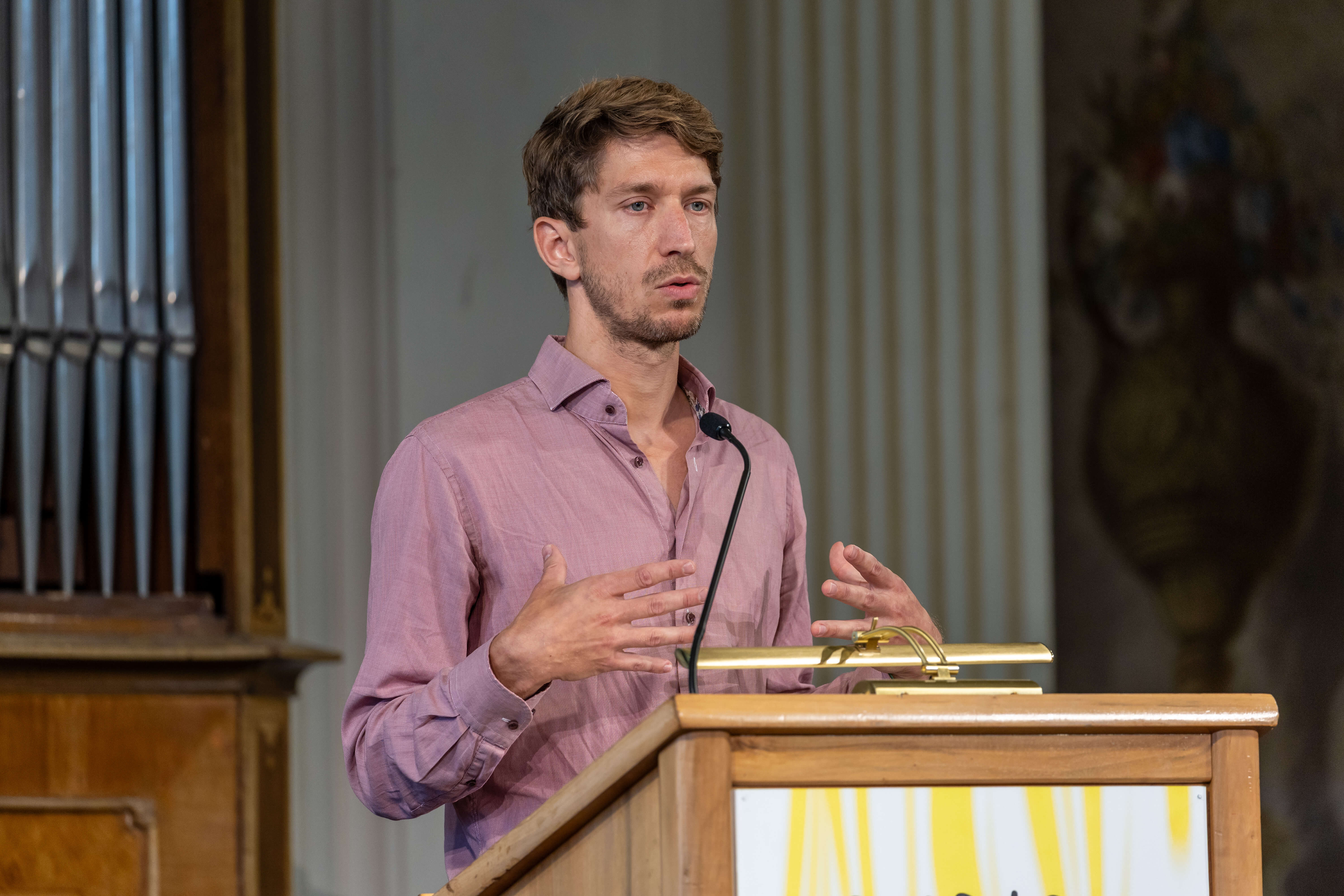
How respect can also manifest itself in engaging with the climate crisis was shown by Johannes Siegmund. The political scientist and writer took a sharp look at society's reactions to the climate emergency: despite the escalating crisis, denial and paralysing fear dominate.
Siegmund called for a new approach: tender, combative, but action-oriented. The audience joined the discussion – a dialogue emerged that led out of powerlessness towards shared responsibility.
Curtain up for “Protagonists of Change – The Show”
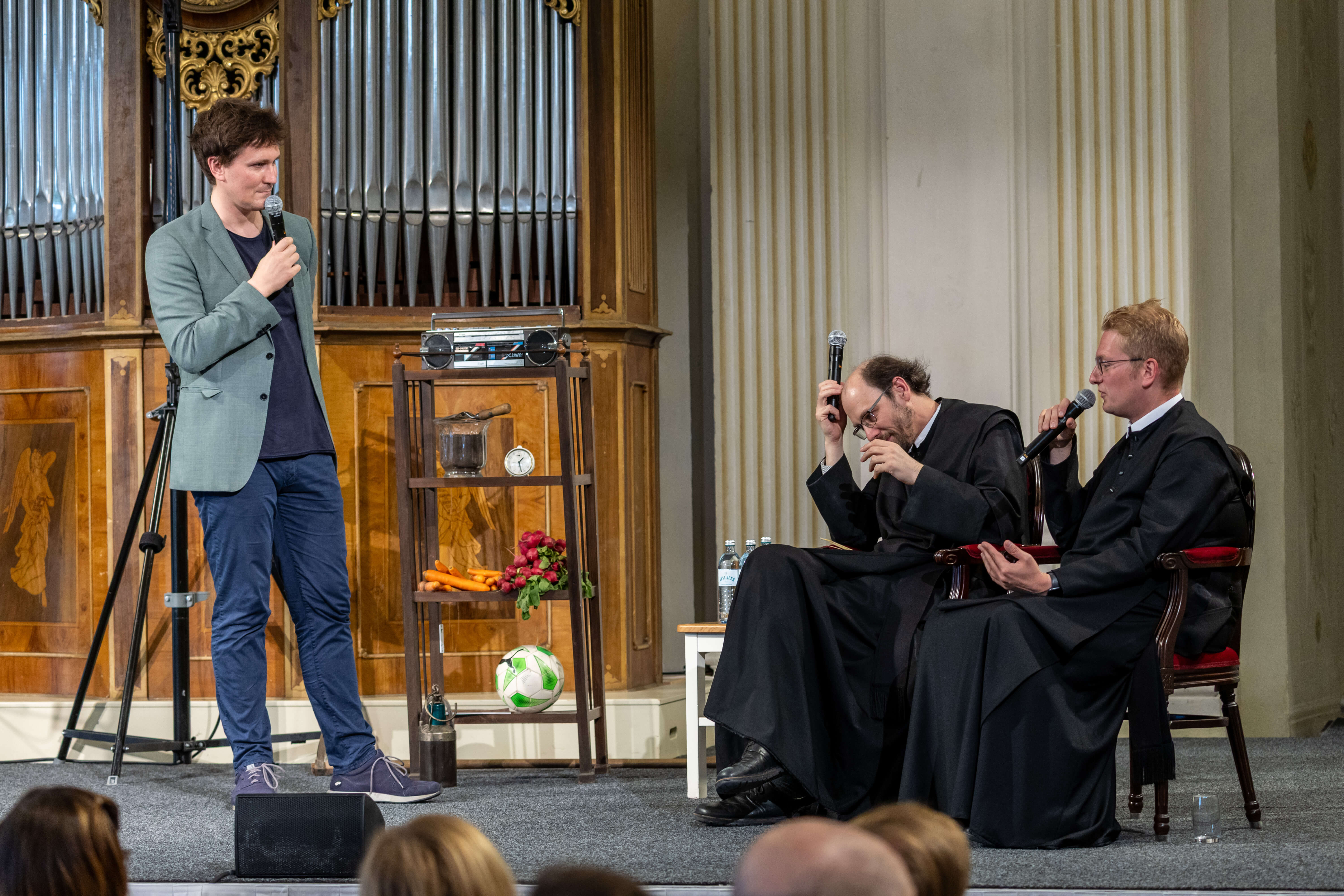
With plenty of energy and humour, Hosea Ratschiller hosted this year's edition of “Protagonists of Change – The Show”. For several years, the Protagonists of Change have been an integral part of the Days of Transformation; with this format, Globart brings people onto the stage who stand out for their civic engagement.
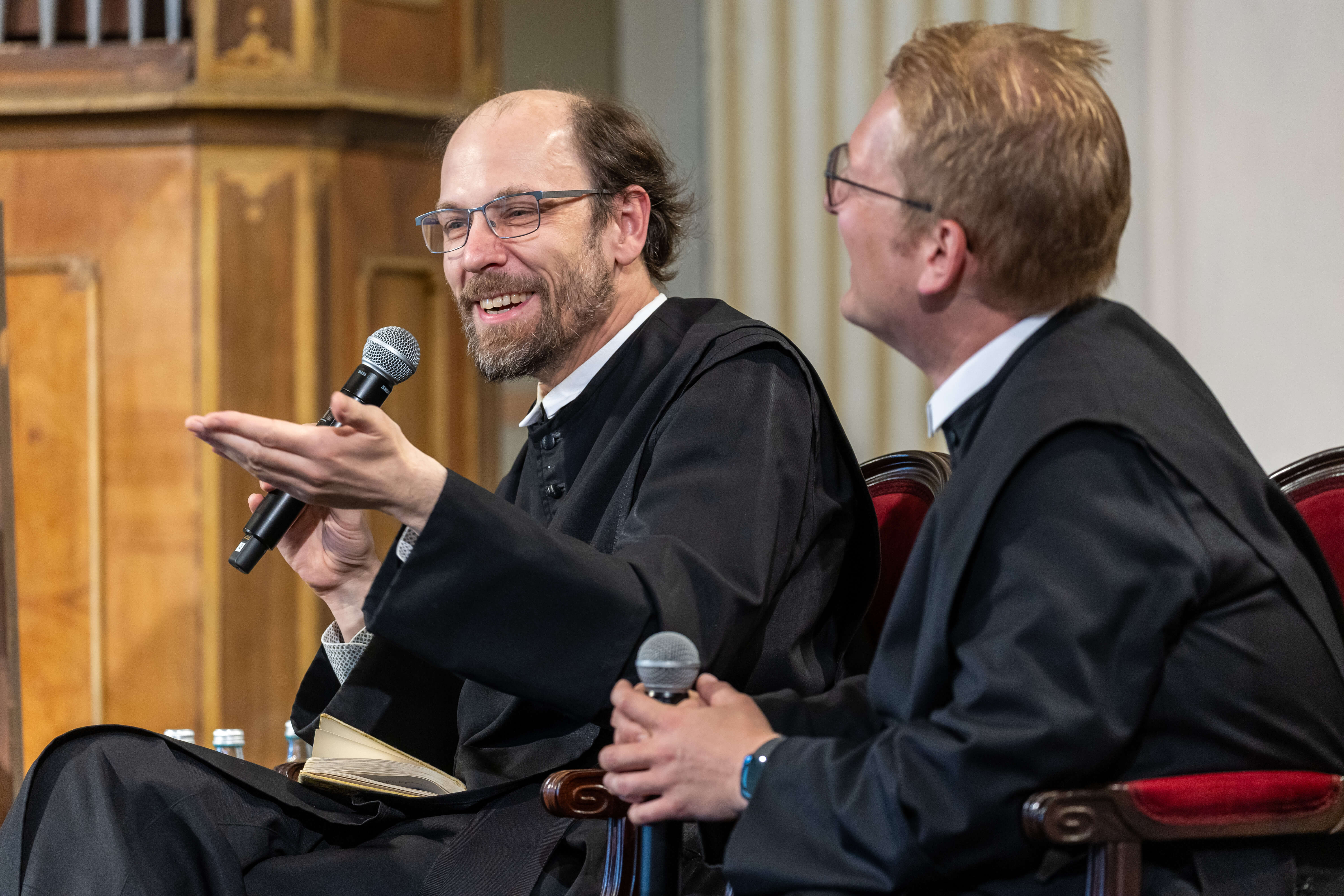
In an entertaining format reminiscent of start-up shows like “Dragons' Den” or “Shark Tank”, the initiatives Acker Österreich, Netzwerk Junge Ohren, Breaking Grounds and the Bürger:innenKRAFTwerk Schönbühel-Aggsbach presented themselves to a jury made up of the abbey's monks.
The show proved that change lives from action. The audience was inspired – not least by the courage with which the initiatives' representatives defended their visions, some revealing real acting talent as they presented their causes with wit and humour.


No items found.
“How a snowball becomes an avalanche”: on power and courage
Former ski racer and today's activist Nicola Werdenigg, the day's last speaker, talked about systemic abuse of power – and how respect and civil courage can shake these structures. She had experienced it herself as a young athlete in the ski federation and decided not to remain silent but to speak out courageously for the sake of the young women coming after her. Her talk was impressively personal and at the same time highly relevant to society. With great clarity, she criticised the silence of institutions that feel more committed to protecting perpetrators than victims.
Many in the audience were impressed by Nicola Werdenigg's openness and clarity. But she did not stop at analysis: “When we begin to listen – to really listen – change begins,” said Werdenigg. Her words resonated long afterwards.
At the evening soup ritual in the baroque cellar, guests, participants and speakers came together in a special atmosphere before actor Samuel Koch closed the day with a powerful solo performance. His staged reading of Peter Turrini's Endlich Schluss was intense, focused and moving. The great writer Turrini had travelled to the reading himself and was as impressed as the entire audience.
That morning, Koch had already spoken with Johannes Kaup on Ö1 about self-respect, physical autonomy and his experiences with barriers – both physical and social. His participation was a highlight of the festival. Anyone who experienced him in the morning conversation and/or the evening performance went home with plenty to reflect on about life.
SUNDAY, 31 August 2025
Respect in the abyss
Sigrun Roßmanith on forensic psychiatry
The last day of the festival was opened by Sigrun Roßmanith, forensic psychiatrist and psychotherapist with decades of experience. Her talk traced the lines connecting individual disregard, social brutalisation and collective responsibility. In clear, calm words she spoke about what is often repressed: the connection between biography, violence suffered and structural violence. Her analysis linked individual case histories with social patterns and offered new perspectives on living together in times of crisis.
Her appeal: if we take respect seriously, we must not look away. Roßmanith thus made a contribution to public enlightenment – uncomfortable, but necessary.
Shaping the future – in dialogue
To close, visitors met the Protagonists of Change again in workshops. In practical exercises, conversations and creative processes led by Christoph Musik (Acker Österreich), Katharina von Radowitz (Netzwerk Junge Ohren), Sarah Wagner (Breaking Grounds) and Erich Lagler and Ingrid Garschall (Bürger*innenKRAFTwerk Schönbühel-Aggsbach), participants formulated their own ideas, sharpened visions and built networks. The Days of Transformation ended as they had begun: in dialogue, open and respectful.
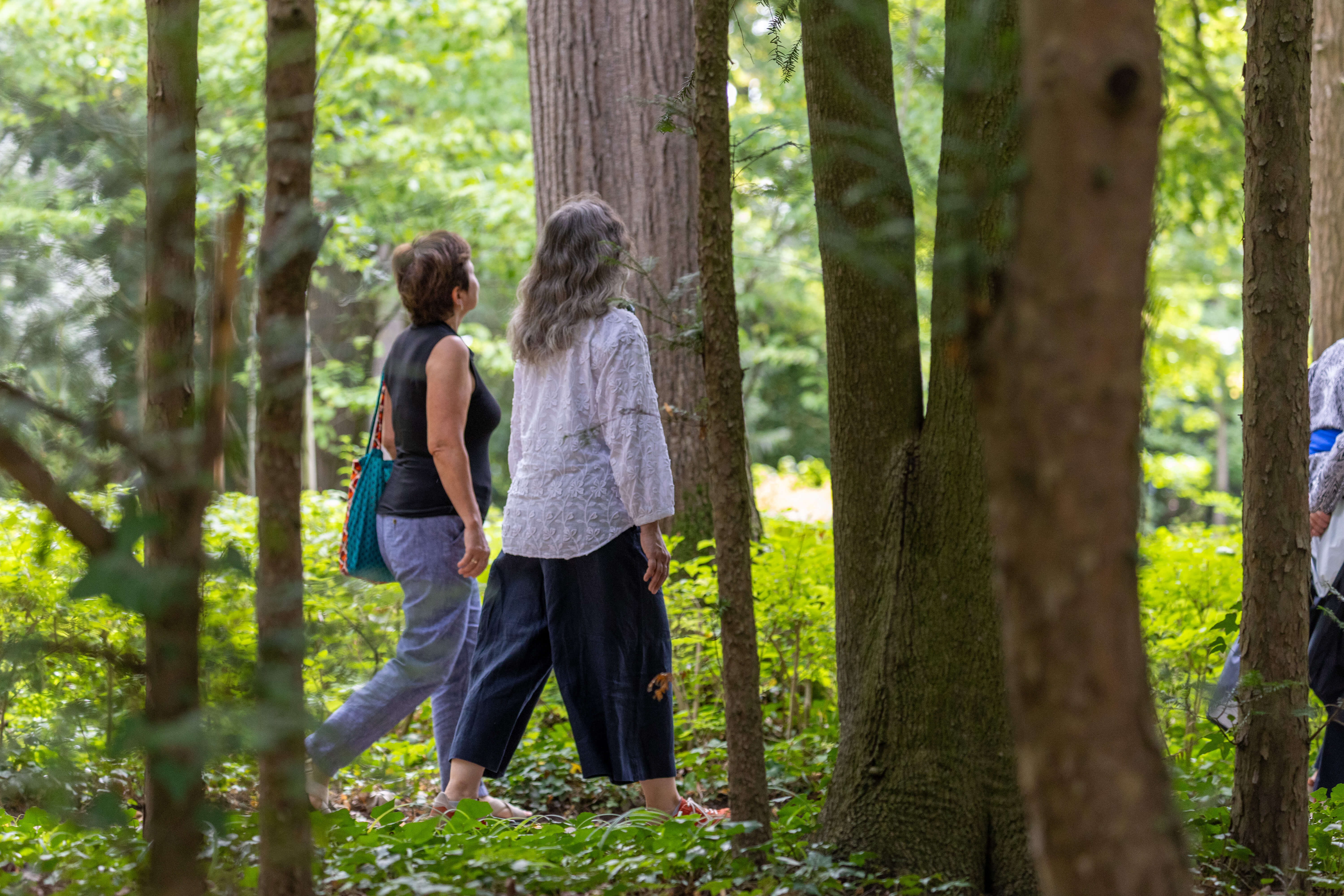
Running parallel to the festival was once again the Weltklimaspiel© (World Climate Game) – a role-play simulation in which GLOBART scholarship holders took on the roles of global decision-makers. Over several rounds, scenarios were negotiated, solutions tested and power relations reflected upon. The goal: to create a sustainable economic and social order within one “century” of playing time. Guided by Matthias Mittelberger of Weitblick GmbH, the game showed how respect can work in political and economic processes – as a strategic competence, not a moral luxury. On Sunday, interested visitors could experience a round of the game and talk with the scholarship holders.
The Days of Transformation 2025 showed that respect is more than politeness. It is an attitude – one that challenges, irritates and opens doors: to encounter, to insight, to change. Clearly, we must work towards a society of respect if our democratic coexistence is to function. Everyone must contribute on this path – and also be brought along by others.
“We will not always agree, but we will be full of respect for one another,” Stefanie Jaksch said at the start of the festival. At the end of these three days, one thing was palpable: this is exactly where the power of transformation lies.



No items found.
Days of Transformation – listen, read and watch more
- Johannes Kaup's conversation with Samuel Koch can still be heard on Ö1. More information here
- The Festschrift “Geborgte Zeit – Eine Anstiftung zum Handeln” by #aufstehn founder Maria Mayrhofer is available from the Globart office at info@globart.at from 23 October 2025 for 9 euros
- Recordings of the talks are gradually being published on our YouTube channel.








Media partners
No items found.
Become a member now or give a membership as a gift
Globart members benefit from the Globart network and from reduced participation fees at all events.